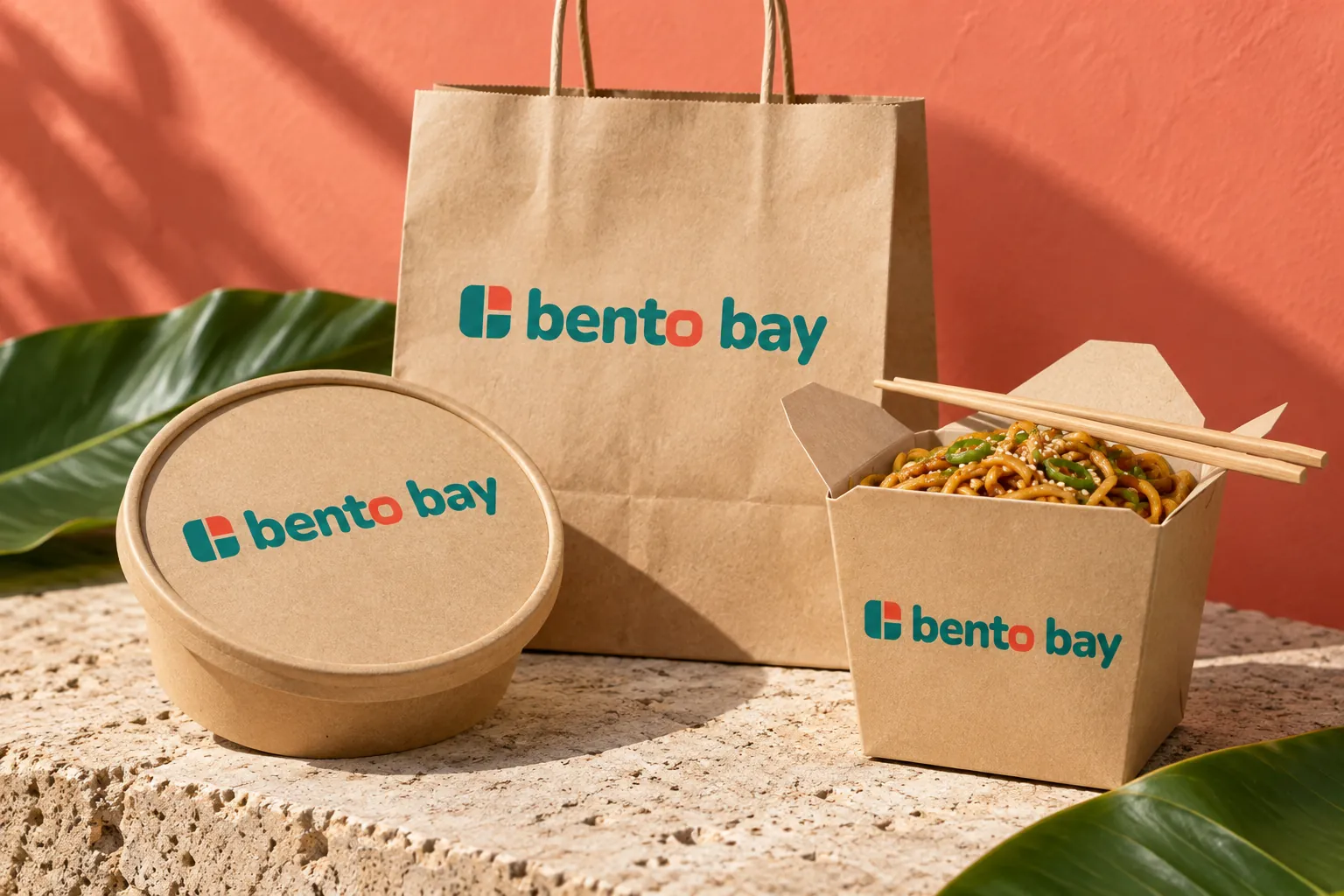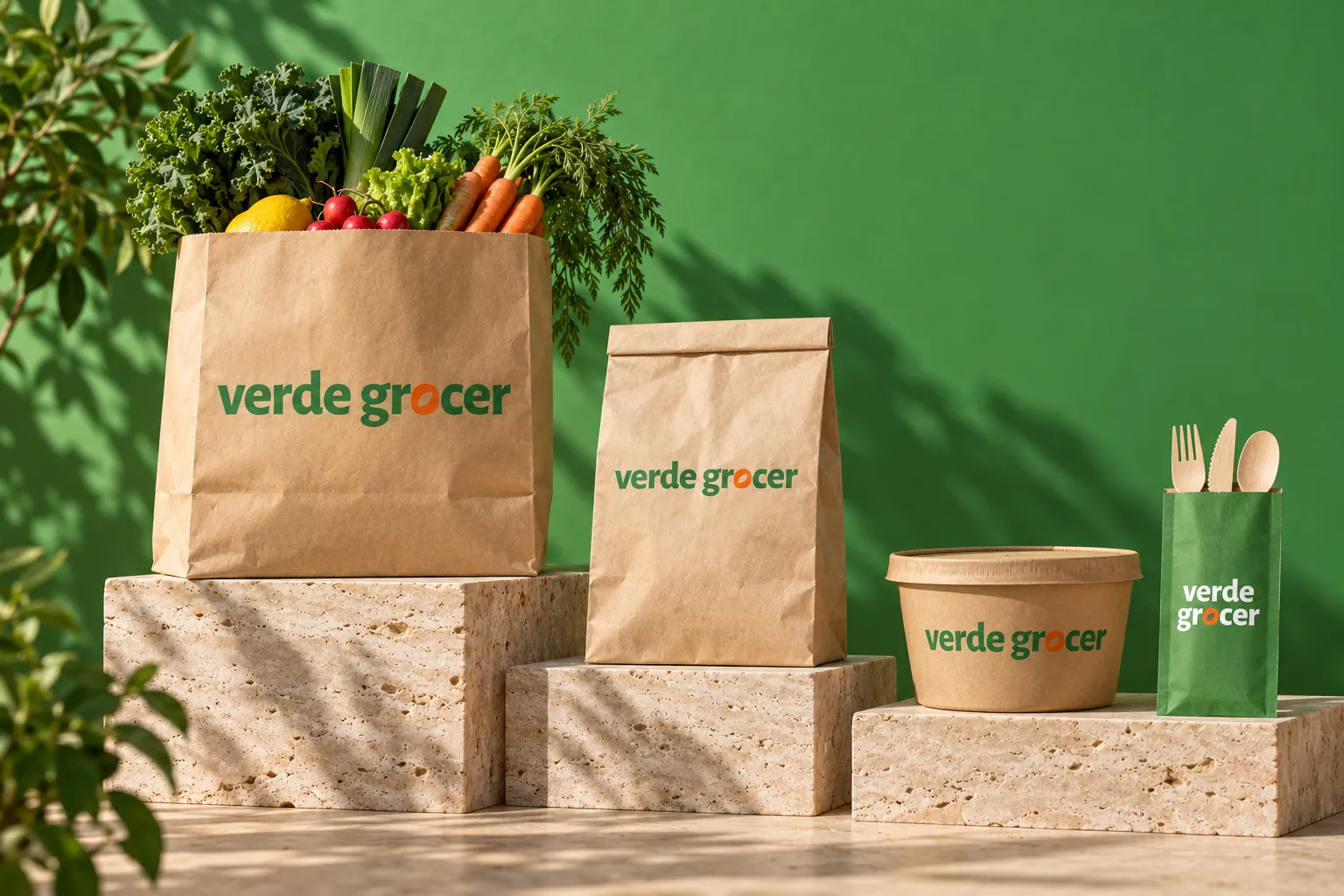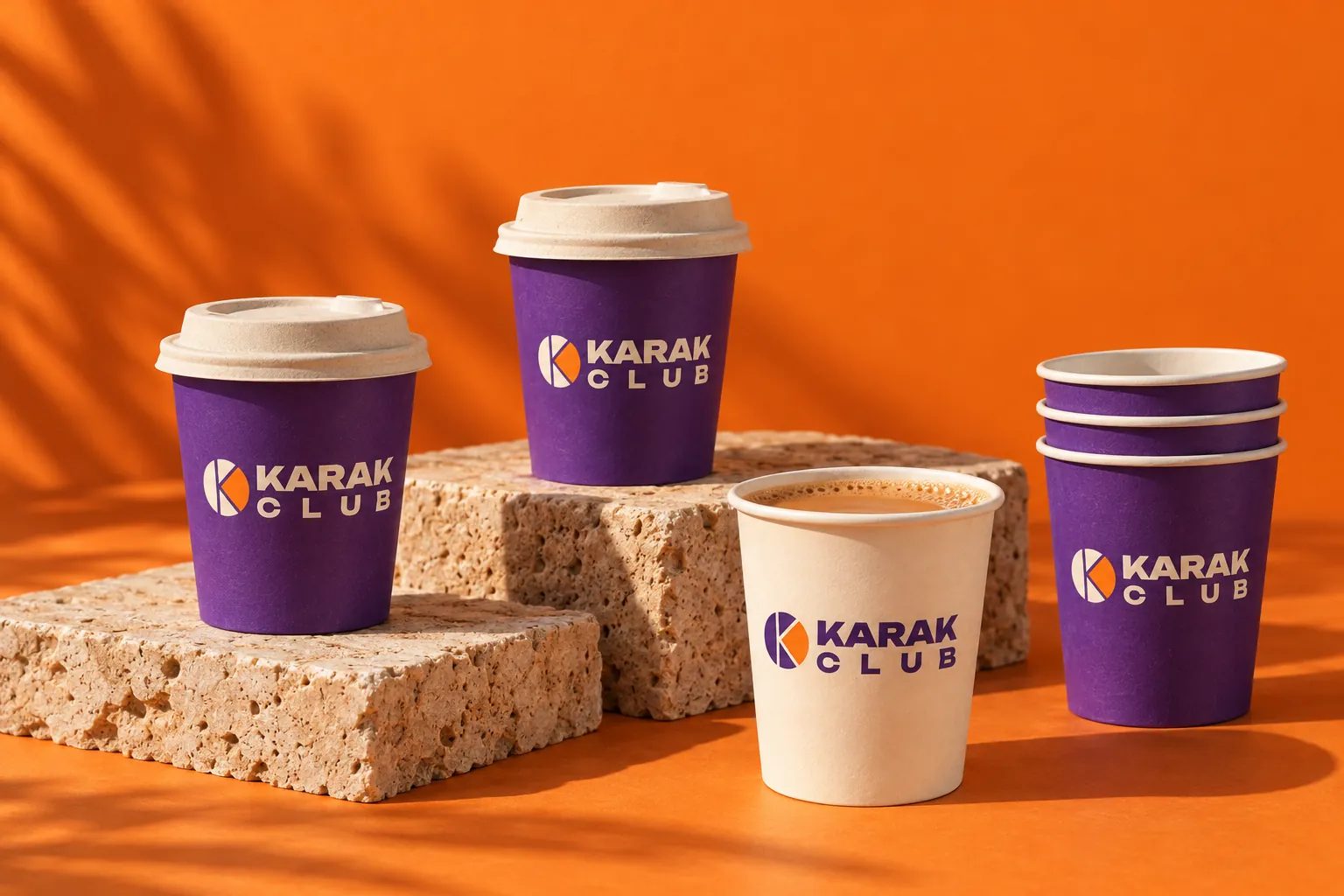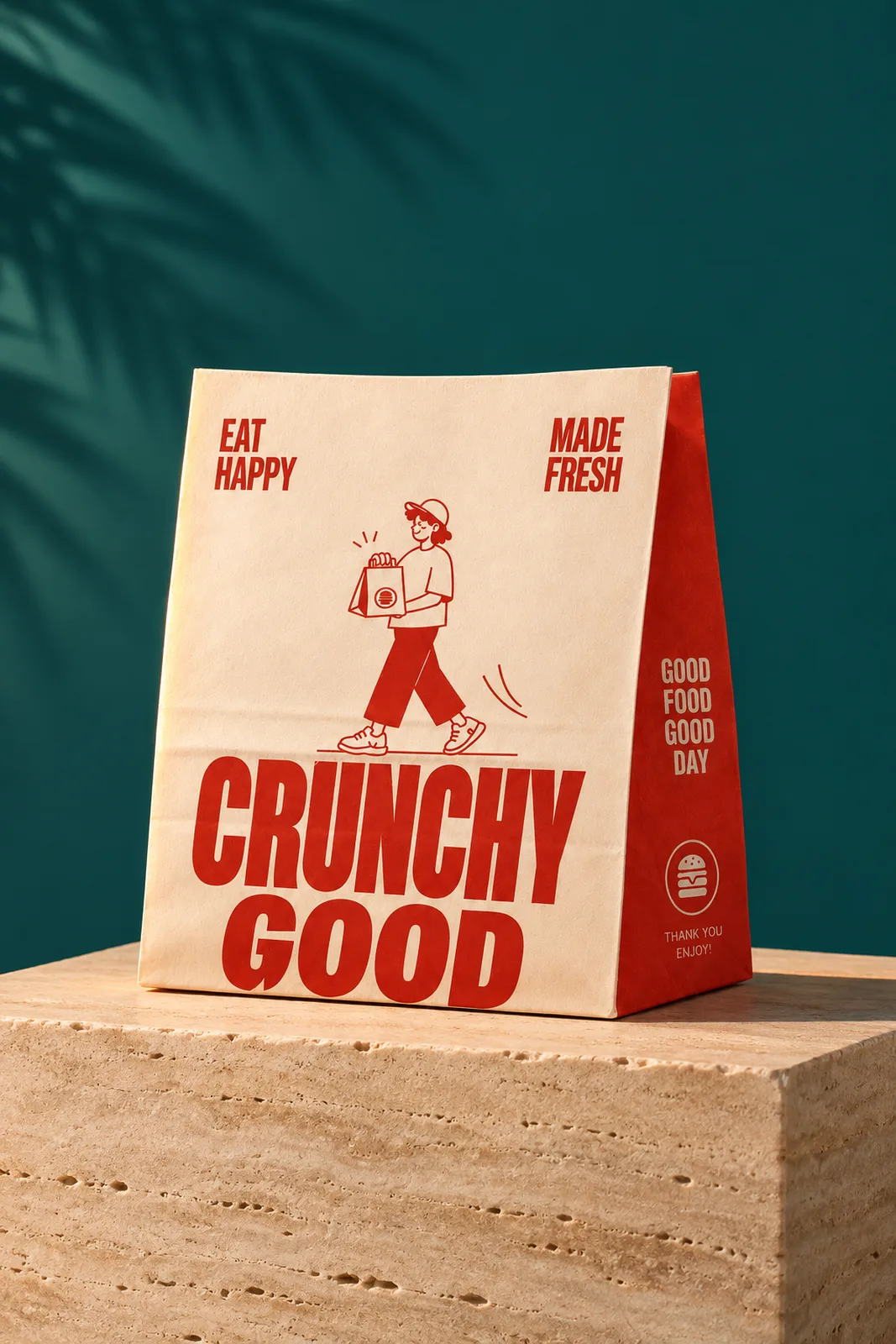

The short answer
Biodegradable means microorganisms can eventually break a material down, with no set time or conditions. Compostable means it breaks down into compost within a defined period under composting conditions, proven against a standard. Recyclable means it can be collected, sorted and reprocessed into new material. One pack can be all three, one, or none.
Buyers ask us for eco-friendly packaging every day, and the words on the brief usually mix all three terms together. That matters because each term makes a different promise, needs different infrastructure to come true, and carries different risks if you print it on your packaging without evidence. This guide sets out what each term means, which standards sit behind them, how the paper packaging we print scores on each, and what really happens to used packaging in the UAE.
Why the three words get confused
All three describe what happens to packaging after use, so they sound interchangeable. They answer different questions. Biodegradable asks whether nature can break a material down at all. Compostable asks whether it breaks down fast enough and cleanly enough to become useful compost. Recyclable asks whether people and machines can turn it back into material for new products.
The confusion is commercial too. Biodegradable is the easiest claim to make and the hardest to disprove, because almost everything biodegrades given enough centuries. That is why regulators and buyers increasingly look for compostable or recyclable claims backed by named standards, and treat a bare biodegradable claim with suspicion.
Biodegradable
A biodegradable material can be broken down by bacteria, fungi and other microorganisms into water, carbon dioxide (or methane, without oxygen) and biomass. Paper, wood, cotton and food are biodegradable. So, technically, are many plastics, over a very long time.
The term says nothing about time, temperature or what is left behind. A paper bag on a damp compost heap breaks down in weeks. The same bag in a dry, compacted landfill cell can survive for years, because landfills are built to limit the moisture and oxygen that microorganisms need. A biodegradable claim with no conditions attached gives a customer very little useful information.
Be especially wary of degradable or oxo-degradable plastics. These contain additives that make plastic break into smaller fragments, which is not the same as biodegrading. The UAE's federal single-use plastics decision explicitly included degradable plastic bags in its 2024 ban, which shows how regulators view them.
Compostable
Compostable is a narrower, testable claim. A compostable material must break down within a set time under composting conditions and leave nothing harmful behind. The most widely used standards are EN 13432 in Europe and ASTM D6400 in the United States, both written for industrial composting. In broad terms they require the material to disintegrate so that no significant fragments remain after about 12 weeks, to biodegrade by around 90% within six months, and to pass tests for heavy metals and toxicity to plants.
Industrial composting runs hot, typically 55 to 60°C, with controlled moisture and turning. Home compost heaps are cooler and slower, so separate home-compostable certification schemes exist with tougher tests. A product certified industrially compostable may not break down in a garden heap.
Compostable packaging only delivers its benefit if it reaches a composting facility. If it goes to landfill or incineration, it behaves much like any other material there. That gap between the label and the bin is the central issue with compostable packaging in the UAE, and we come back to it below.
Recyclable
A recyclable material can be collected, sorted and reprocessed into new raw material. For paper and board, that means pulping: mixing the material with water so the fibers separate, screening out contaminants, and forming new paper from the recovered fiber. Paper fibers can typically be recycled several times before they become too short to use.
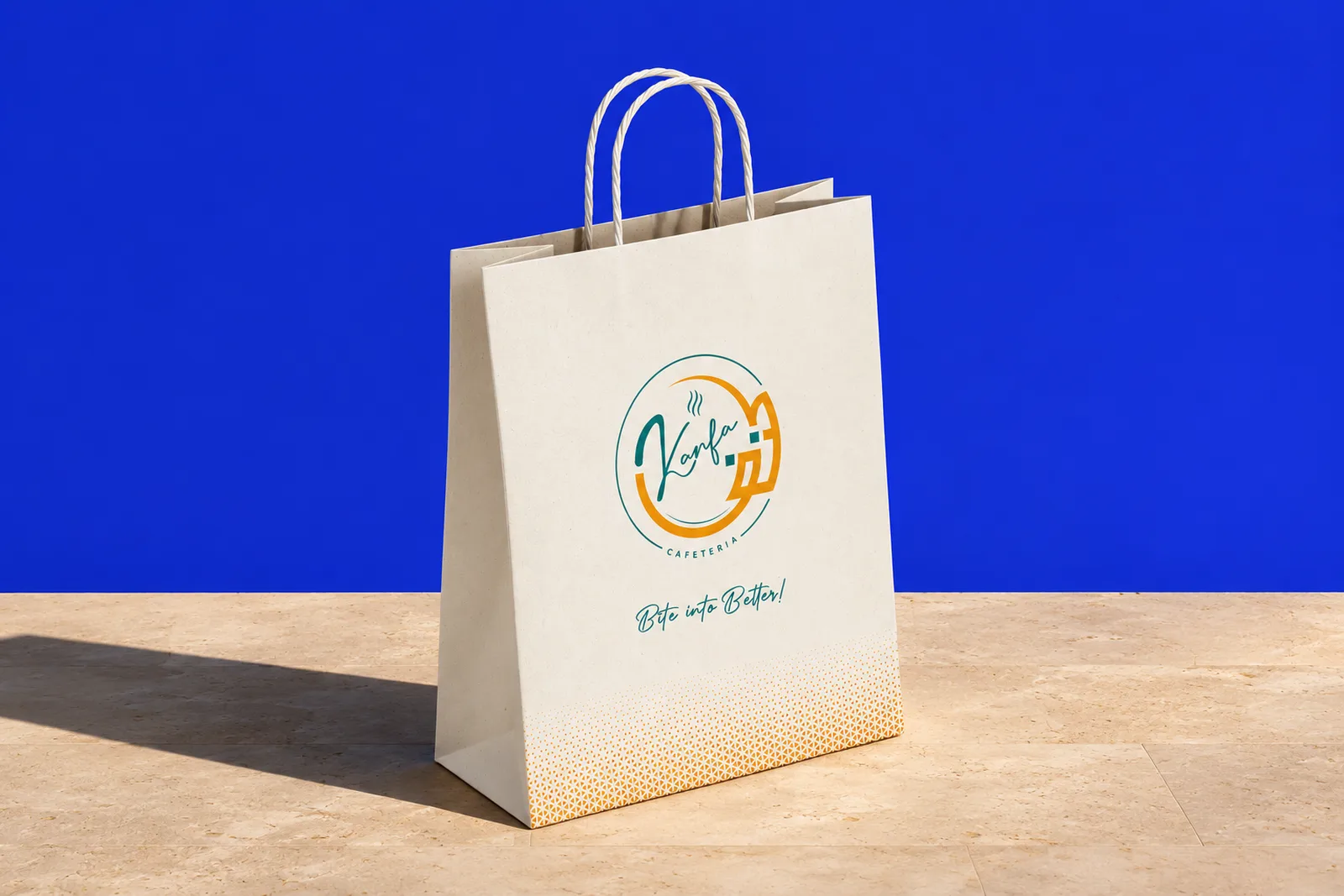
Recyclability depends on two things. The first is the design of the pack: plastic films, heavy lamination, wax, food residue and mixed materials make pulping harder or impossible. The second is infrastructure: a pack is only recyclable in practice if there is a route to collect it and a mill to accept it. A clean corrugated carton is recyclable almost everywhere. A greasy pizza base or a PE-lined cup is recyclable only where specialist sorting and mills exist.
The three terms side by side
| Item | Biodegradable | Compostable | Recyclable |
|---|---|---|---|
| What it promises | Microorganisms can break it down eventually | Breaks down into compost within a defined time, leaving no harmful residue | Can be reprocessed into new material |
| Time frame | Not defined | Defined by the standard, for example about 12 weeks to disintegrate | n/a |
| Conditions needed | Not defined | Industrial composting (55 to 60°C) or home composting, depending on certification | Collection, sorting and a mill or plant that accepts it |
| Main standards | No meaningful standalone standard for packaging claims | EN 13432, ASTM D6400; home-compost schemes | Depends on local recycling systems and mill acceptance |
| Risk if printed without evidence | High: vague and easy to mislead | Medium: must match a certification | Medium: must match real local recycling routes |
| Typical paper examples | Almost all uncoated paper | Uncoated paper, PLA-lined cups, bagasse | Clean kraft bags, cartons, corrugated boxes |
Other terms you will see on packaging
Bio-based or plant-based
Made wholly or partly from renewable plant material. It describes where the material came from, not what happens to it after use. PLA is bio-based and industrially compostable, but not recyclable in most systems.
Recycled content
Contains material recovered from used products. A measurable claim when backed by supplier documentation.
Plastic-free
Contains no plastic. Most hot paper cups and many coated boxes are not plastic-free because of their barrier coating.
Renewable
Made from a resource that grows back, such as wood fiber or sugarcane. True of paper, but on its own says little about end of life.
Eco-friendly or green
Vague. Avoid printing these without a specific, supported claim alongside.
How common paper packaging scores
General guidance for typical constructions. Specific products, coatings and local facilities vary, so check the spec and your waste contractor.
| Item | Recyclable? | Compostable? | Notes |
|---|---|---|---|
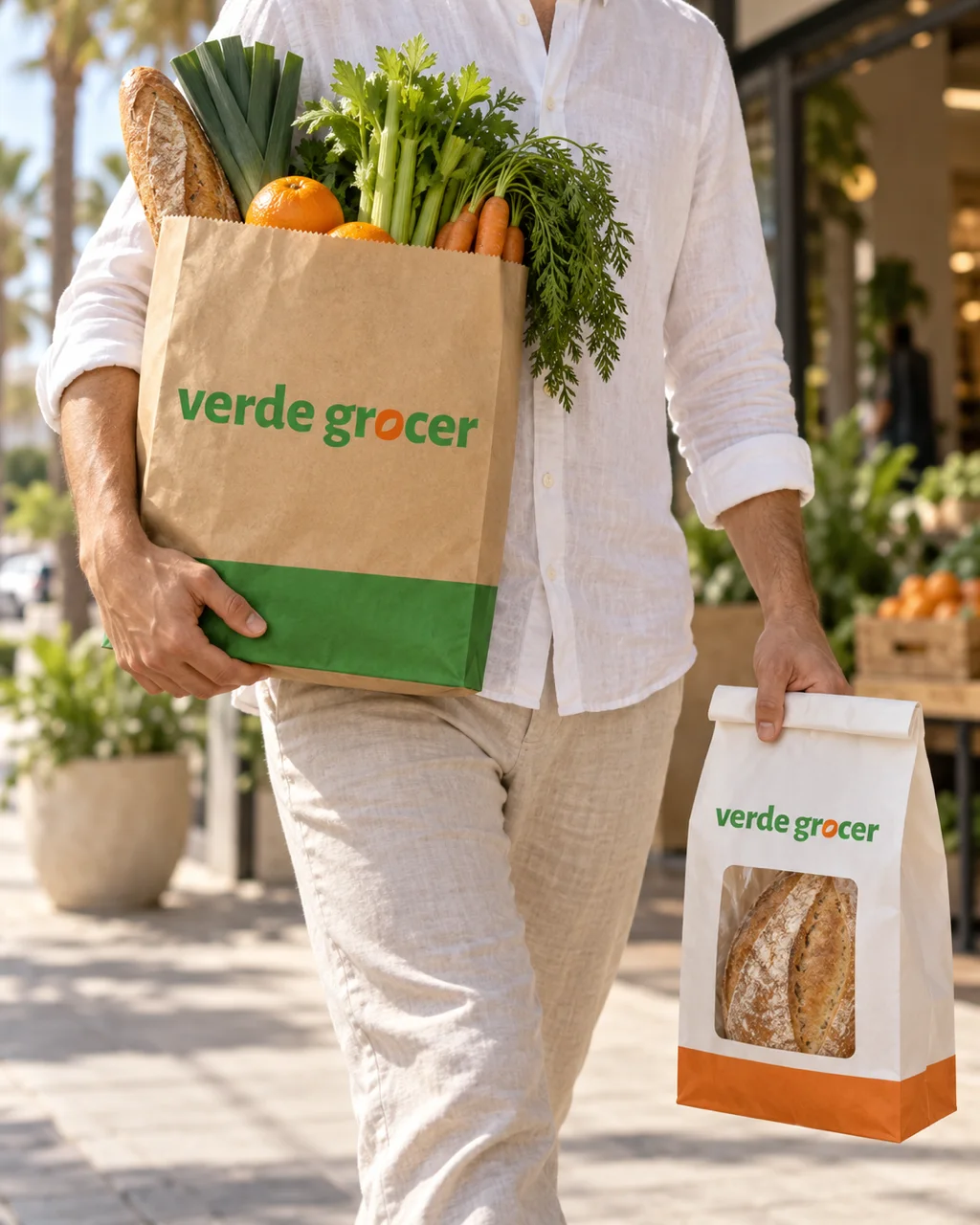
| Uncoated kraft paper bag | Yes, widely | Yes, where accepted | Paper handles keep it mono-material; avoid plastic handles |
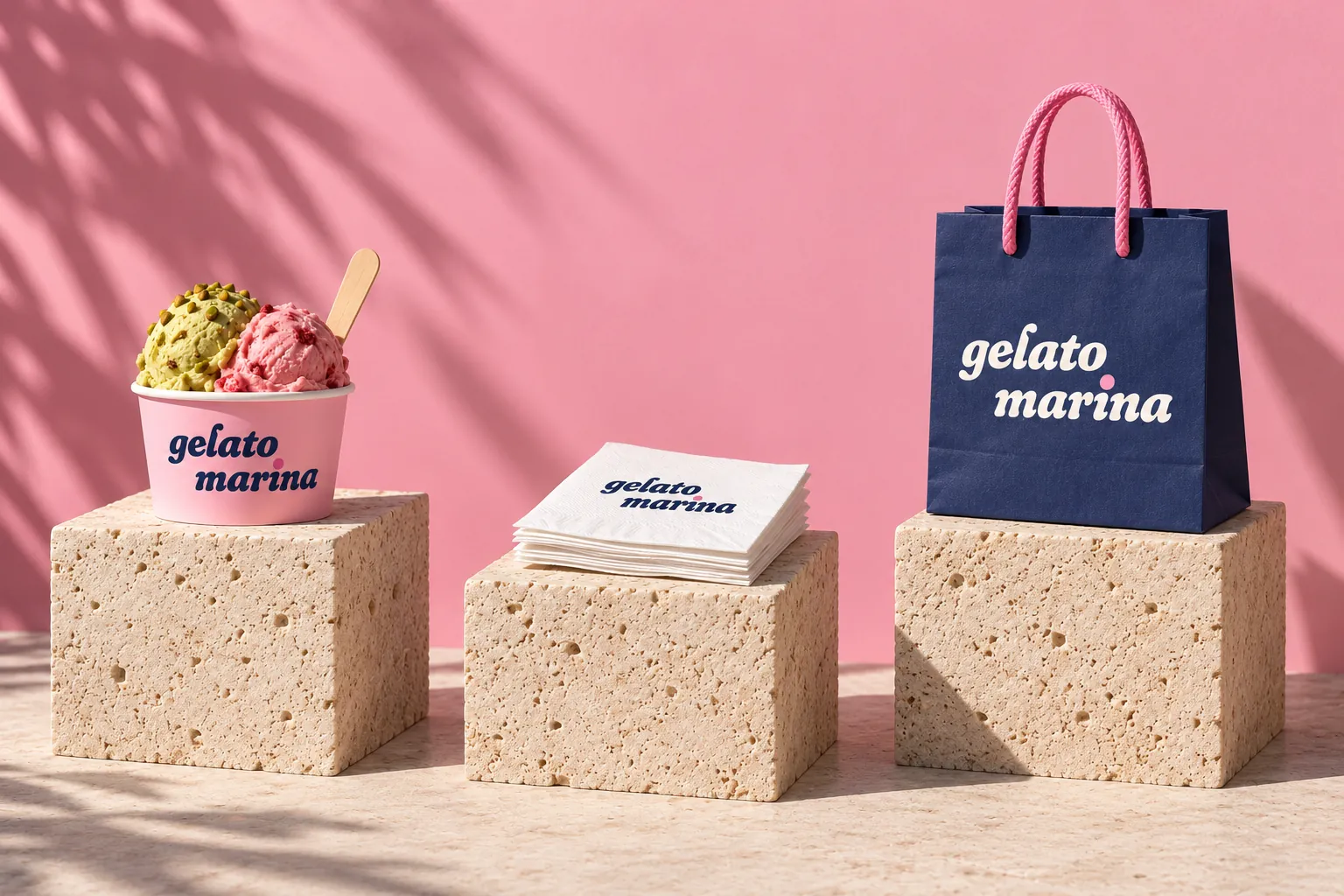
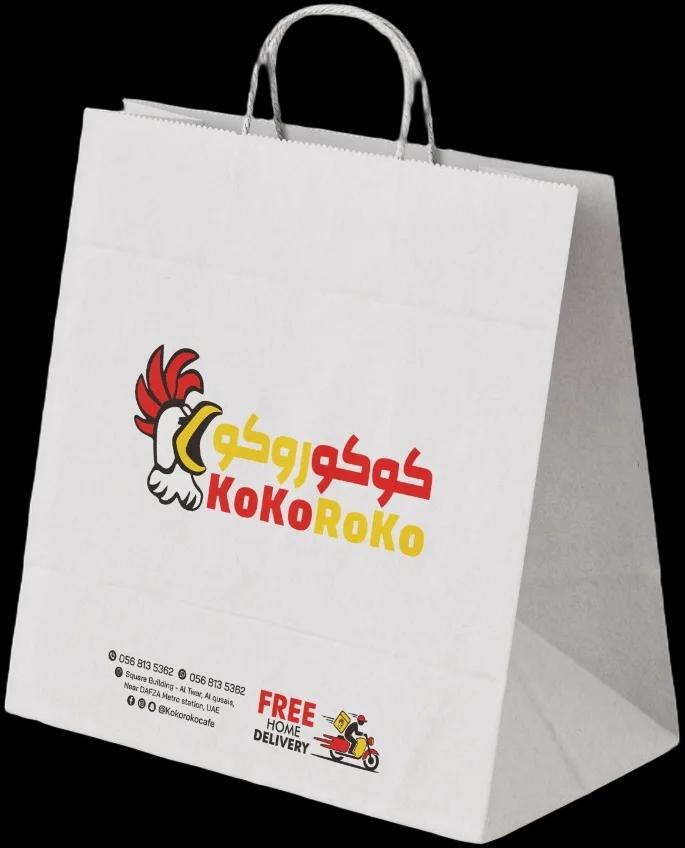
| Laminated shopping bag with rope handles | Difficult | No | The plastic film and cord handles complicate pulping |
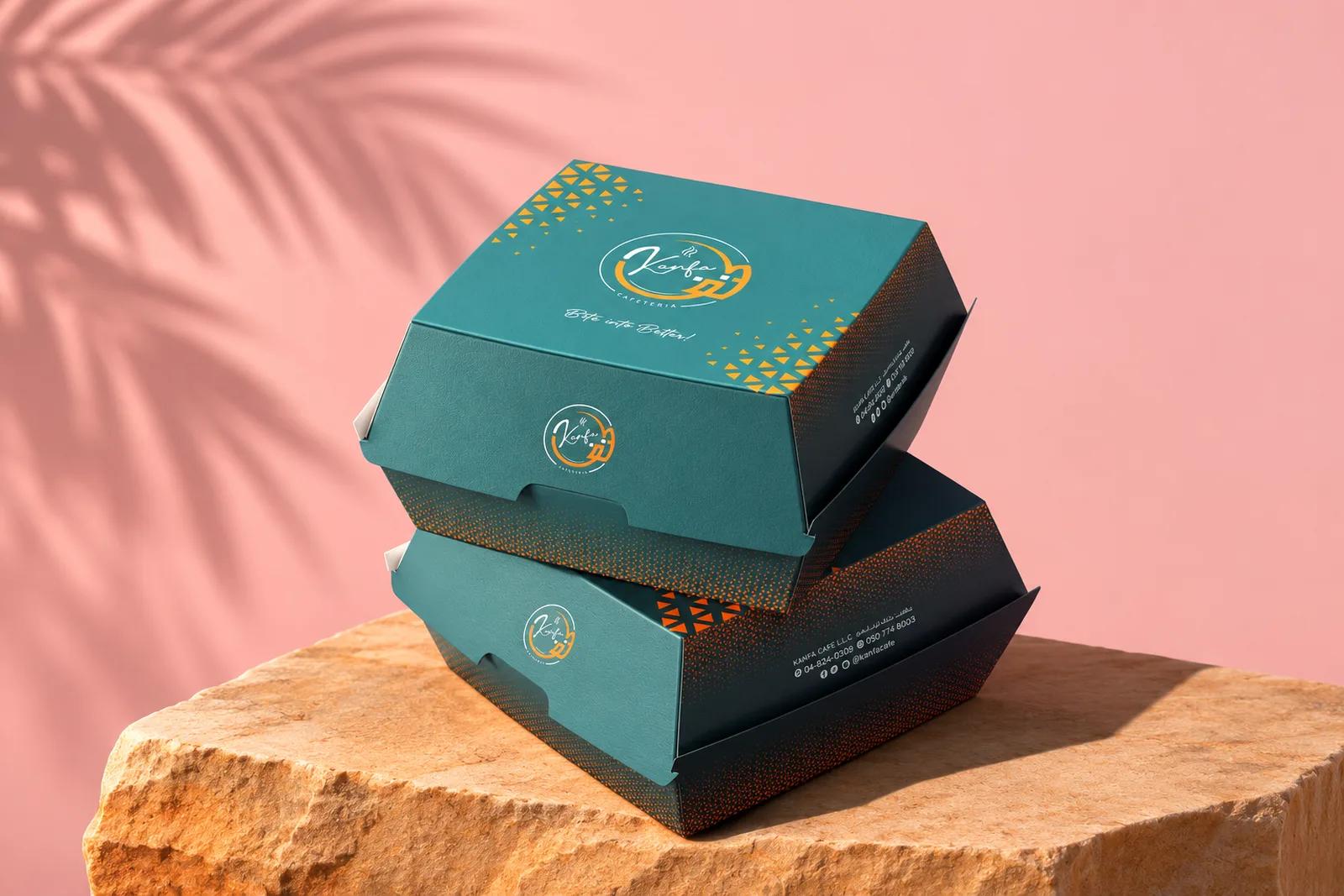
| Folding carton, varnished | Yes, widely | Generally not certified | Water-based varnish is the easiest to recycle |
| Folding carton, film laminated | Difficult | No | Consider varnish or a lighter finish if recycling matters |
| Corrugated pizza box, clean lid | Yes, widely | Yes, where accepted | The greasy base is often rejected by recyclers |
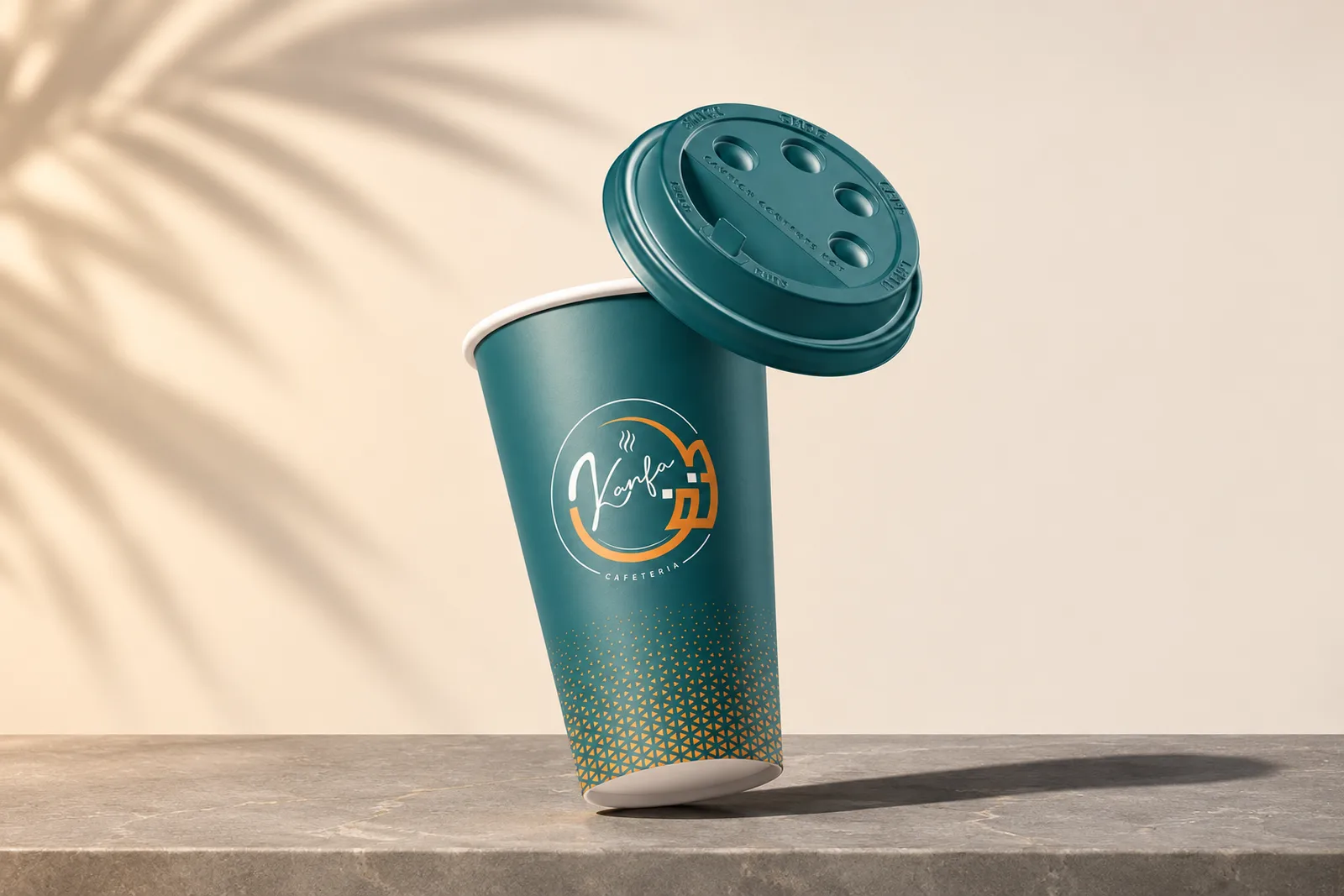
| Hot paper cup, PE lined | Only with specialist facilities | No | Fiber is recoverable where mills can separate the coating |
| Hot paper cup, PLA lined | Rarely | Industrially, if certified | Needs a commercial composting route to deliver the benefit |
| Greaseproof paper | Clean sheets, sometimes | Often, where accepted | Food-soiled paper is usually rejected by recyclers |
| Silicone baking parchment | Rarely | Some products certified | Check the specific product |
| Bagasse (sugarcane fiber) container | Not usually | Industrially or at home, if certified | Made from a by-product of sugar processing |
| Rigid box with magnets and foam insert | Difficult | No | Separate components; board inserts help |
What actually happens to packaging in the UAE
This is where the labels meet reality. For years most municipal waste in the UAE went to landfill. That is changing. Sharjah opened a large waste-to-energy plant, developed by Bee'ah and Masdar, and Dubai has brought its own waste-to-energy facility at Warsan into operation. Both turn non-recyclable waste into electricity and cut the volume sent to landfill. Recycling collection is also growing, especially for clean paper, cardboard and metals from businesses.
Industrial composting capacity for packaging is still limited. A compostable cup thrown into a general bin in Dubai is far more likely to end up in a waste-to-energy plant or landfill than in a composting facility. That does not make compostable packaging pointless, but it means the compostable label alone does not guarantee the outcome customers imagine.
For most food businesses in the UAE, the practical priorities are, in order: use less material, choose packaging that suits the end-of-life routes available to you and your customers, keep packs simple enough to recycle where possible, and be precise about what you claim.
How print and finishing affect recyclability
We see the effect of finishes every day, because they are what turn a recyclable board into a difficult one. Plastic film lamination is the biggest factor: it bonds a thin plastic layer to the paper. Water-based varnishes protect print without the film. Soft-touch effects can be achieved with varnish rather than laminate in some cases, at a slight cost in durability.
Small areas of hot foil and spot UV are generally accepted by paper recyclers in modest amounts, but a box covered in foil is a different matter. Window films, magnets, ribbons and foam inserts are separate materials. Where possible, design so a customer can pull them off easily, or swap them for paper-based alternatives such as board inserts and paper handles.
Inks matter less than people expect. Paper mills deal with printed paper constantly. What they struggle with is plastic, wax, grease and mixed materials.
Is paper always the greener choice?
Not automatically, and it is worth being honest about that. A paper bag usually weighs more than the thin plastic bag it replaces, and making paper uses water and energy. Life-cycle studies comparing the two often find that a paper bag needs to be reused a few times before its footprint drops below a single-use plastic bag on some measures such as carbon.
Paper wins clearly on other measures that matter in the UAE context. It comes from a renewable resource, it breaks down if it escapes into the environment rather than persisting as plastic litter in the desert and the Gulf, and clean paper has a well-established recycling route. It is also what the regulations now point food businesses towards.
The practical takeaway: choose paper, then make it count. Use the lightest construction that does the job, design bags strong enough to be reused, avoid unnecessary laminates, and print once on a pack that customers keep rather than on several throwaway layers.
Making claims you can stand behind
If you print an environmental claim on your packaging, you should be able to back it up for that exact pack. Consumer protection rules in the UAE, as elsewhere, are aimed at misleading claims, and buyers in hospitality and retail increasingly ask suppliers for evidence.
Practical rules we suggest to clients: name the material instead of using a vague word (kraft paper bag, made from paper); only use compostable when the specific product holds a recognized certification, and say whether it is industrial or home; only use recyclable when the pack can realistically be recycled where your customers live; avoid leaf icons and recycling symbols that imply more than the pack delivers; and keep supplier declarations on file.
Choosing the right option for your business
Start with what the pack must do
Food contact, grease, heat, strength and shelf life come first. A pack that fails creates more waste than any material choice saves.
Find out where it goes after use
Dine-in waste you control; takeaway waste goes into customers' bins. Ask your waste contractor what they accept.
Simplify the construction
Mono-material paper packs with paper handles and varnish instead of laminate are easiest to recycle.
Reduce material
Right-size boxes and bags, and drop layers that add no function.
Choose compostable only with a route
If you run a closed system, such as an event or campus with composting, certified compostable packaging makes sense.
Claim precisely
Print what the pack is made of and what it can do, backed by documents.
How GPP can help
We print paper bags, cups, food boxes, cartons and rigid boxes in Ajman, and we can quote options such as uncoated kraft, water-based varnish instead of film lamination, paper handles and board inserts. Tell us how your packaging is used and disposed of, and we will suggest constructions that suit, along with the documentation available from our material suppliers. We do not make certification claims on your behalf, and we will tell you when a claim on a draft design goes further than the material supports.
Products in this guide
GPP Production Team
Print & packaging specialists, Ajman
Written by the people who run our presses and finishing lines in Ajman, and checked against current UAE rules where regulation is involved. Published 2 Oct 2026; last reviewed 10 Oct 2026.