
The short answer
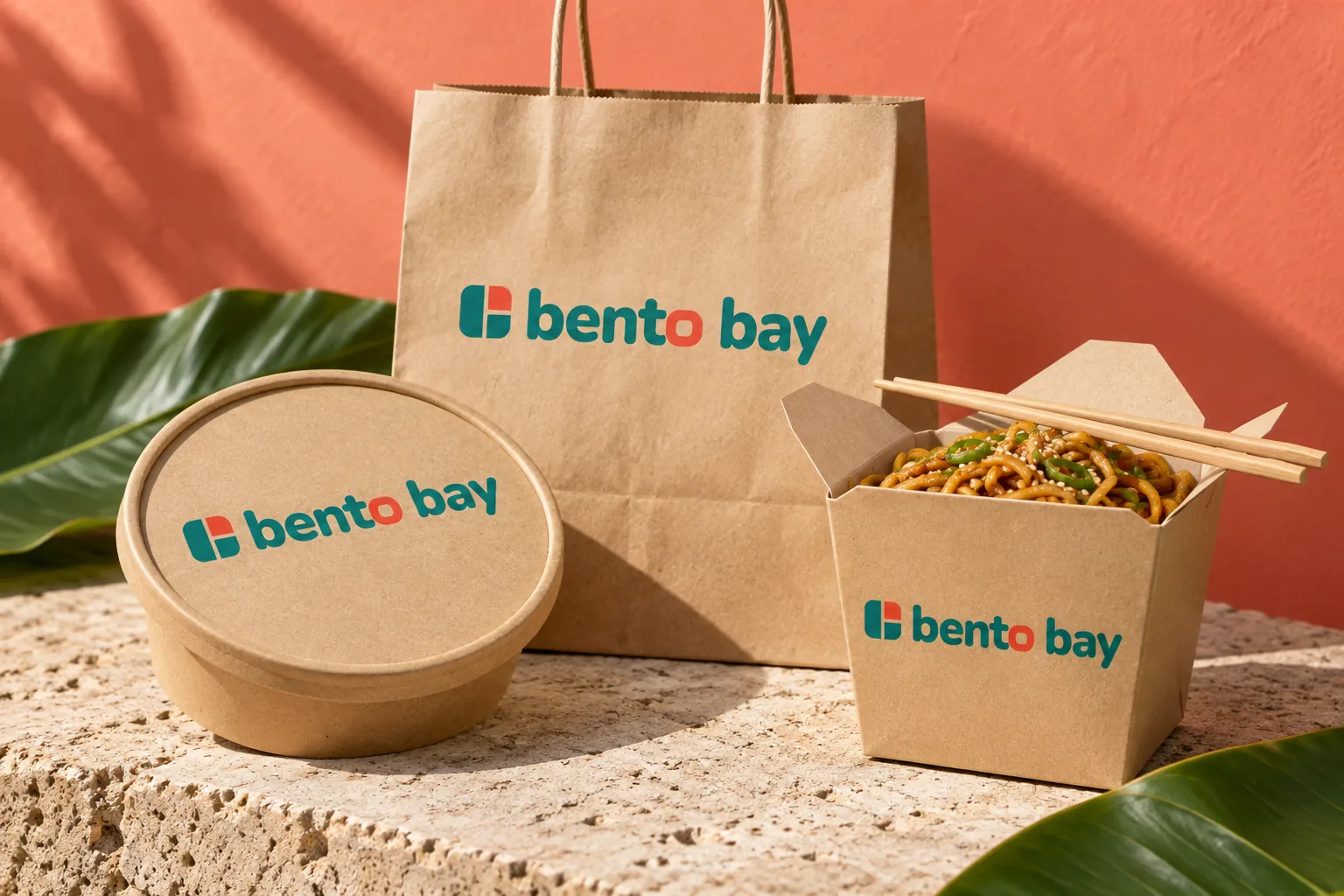
Biodegradable packaging is packaging made from materials that bacteria and fungi can break down into water, carbon dioxide and biomass. Paper, board, bagasse and molded fiber are common examples. How fast it breaks down depends on conditions: moisture, oxygen and temperature. The word alone does not tell you when or where that will happen.
Searches for biodegradable packaging in Dubai and across the UAE have grown since the single-use plastic bans began, and most of the inquiries we receive use the word as shorthand for packaging that is better for the environment. This post explains what the word covers, which materials fit, and how to tell a meaningful claim from a vague one. For the difference between biodegradable, compostable and recyclable, see our longer guide on that topic.
Common biodegradable packaging materials
Paper and kraft paper
Made from wood fiber. Used for bags, wraps, sacks and labels. Uncoated paper is the simplest biodegradable packaging material there is.
Paperboard
Thicker multi-layer paper used for folding cartons, cups, cake boxes and food boxes. Biodegradable as fiber; coatings and laminates affect the overall pack.
Corrugated board
Fluted board used for pizza boxes and shipping cartons. Biodegradable and widely recyclable when clean.
Bagasse
Fiber left over after sugarcane is crushed for juice, pressed into plates, clamshells and bowls. Handles heat and grease well.
Molded fiber and pulp
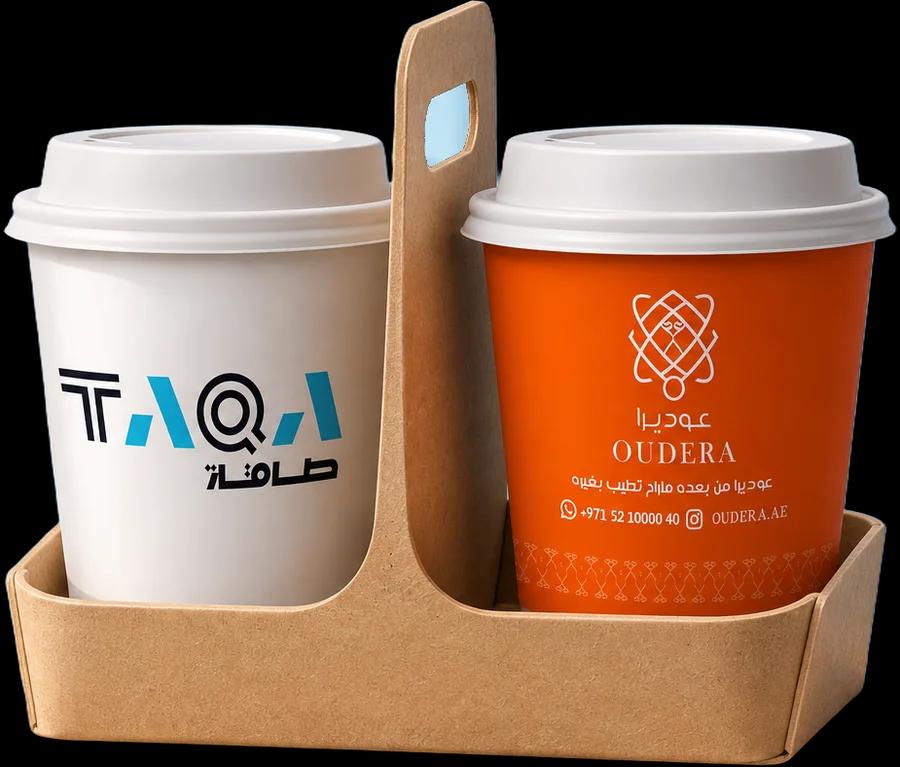
Recycled paper or plant fiber formed in a mold. Used for cup carriers, egg trays, cup lids and protective inserts.
PLA (polylactic acid)
A plant-based plastic made from fermented starch. Biodegradable under industrial composting conditions, not in the open environment or a landfill in any useful time.
Wood
Used for cutlery, stirrers and some gift packaging. Biodegradable, and an easy swap for plastic cutlery.
How conditions change breakdown time
Rough, typical ranges to show how much conditions matter. Actual times depend on thickness, coatings, moisture and temperature.
| Material | Active industrial compost | Home compost heap | Dry landfill |
|---|---|---|---|
| Uncoated kraft paper | Weeks | 1 to 3 months | Can persist for years |
| Paperboard carton, varnished | 1 to 3 months | Several months | Can persist for years |
| Bagasse container | 1 to 3 months | 2 to 6 months | Can persist for years |
| PLA cup or lining | About 3 to 6 months | Very slow, often not at all | Very slow |
| Conventional plastic | Does not break down meaningfully | Does not break down meaningfully | Centuries; fragments over time |
Why landfill changes the picture
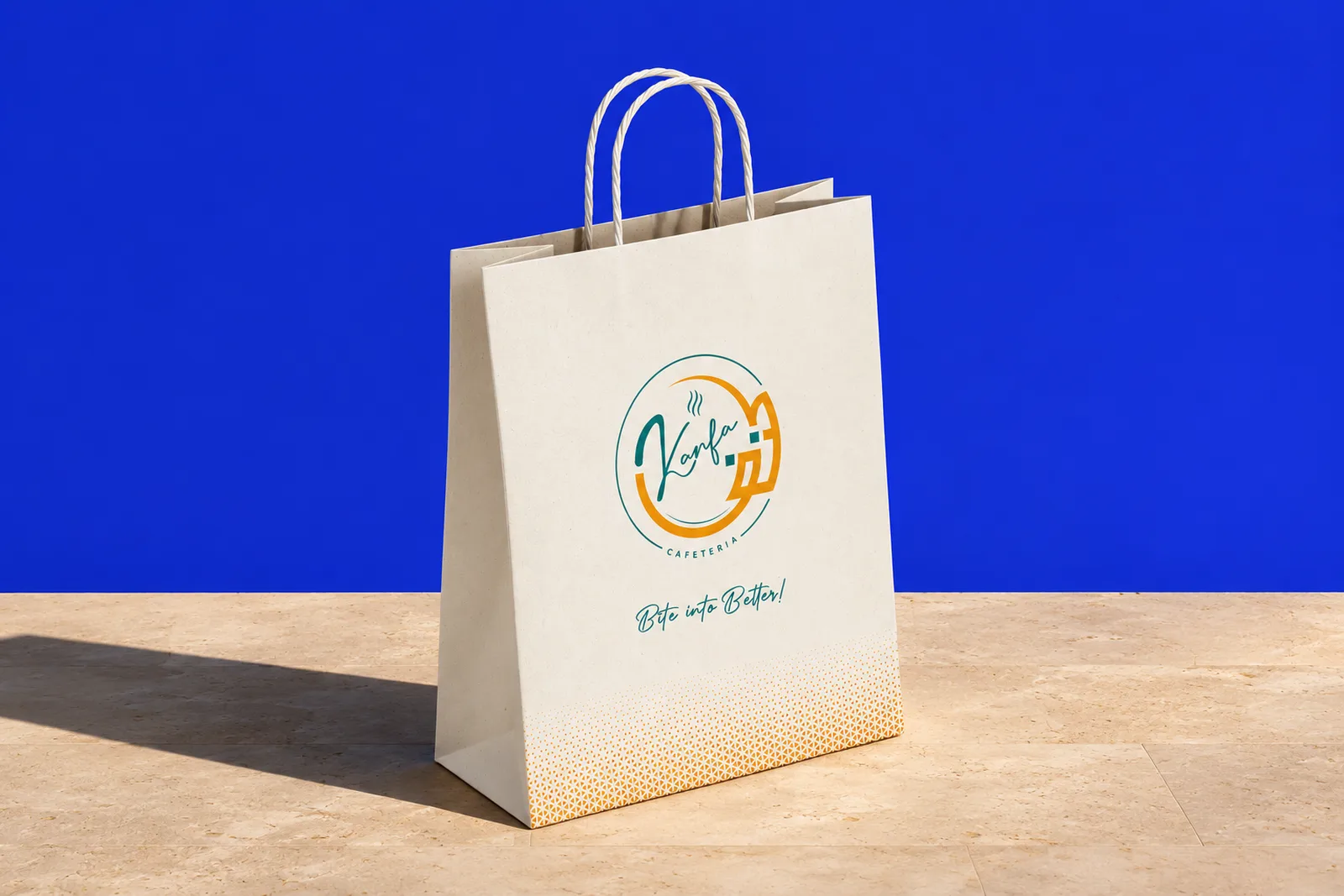
Landfills are designed to keep waste dry and compacted, which starves microorganisms of moisture and oxygen. Paper buried in landfill can stay readable for decades. When organic material does break down without oxygen, it produces methane, a potent greenhouse gas. So biodegradable packaging in landfill is not the clean outcome the word suggests.
In the UAE, more waste now goes to waste-to-energy plants in Sharjah and Dubai instead of landfill, where it is burned to generate electricity. In that route, biodegradability makes little difference. What helps is using less material and choosing packs that can be recycled where collection exists.
Biodegradable packaging for food businesses: real examples
These are the swaps we see most in UAE cafés, restaurants and bakeries.
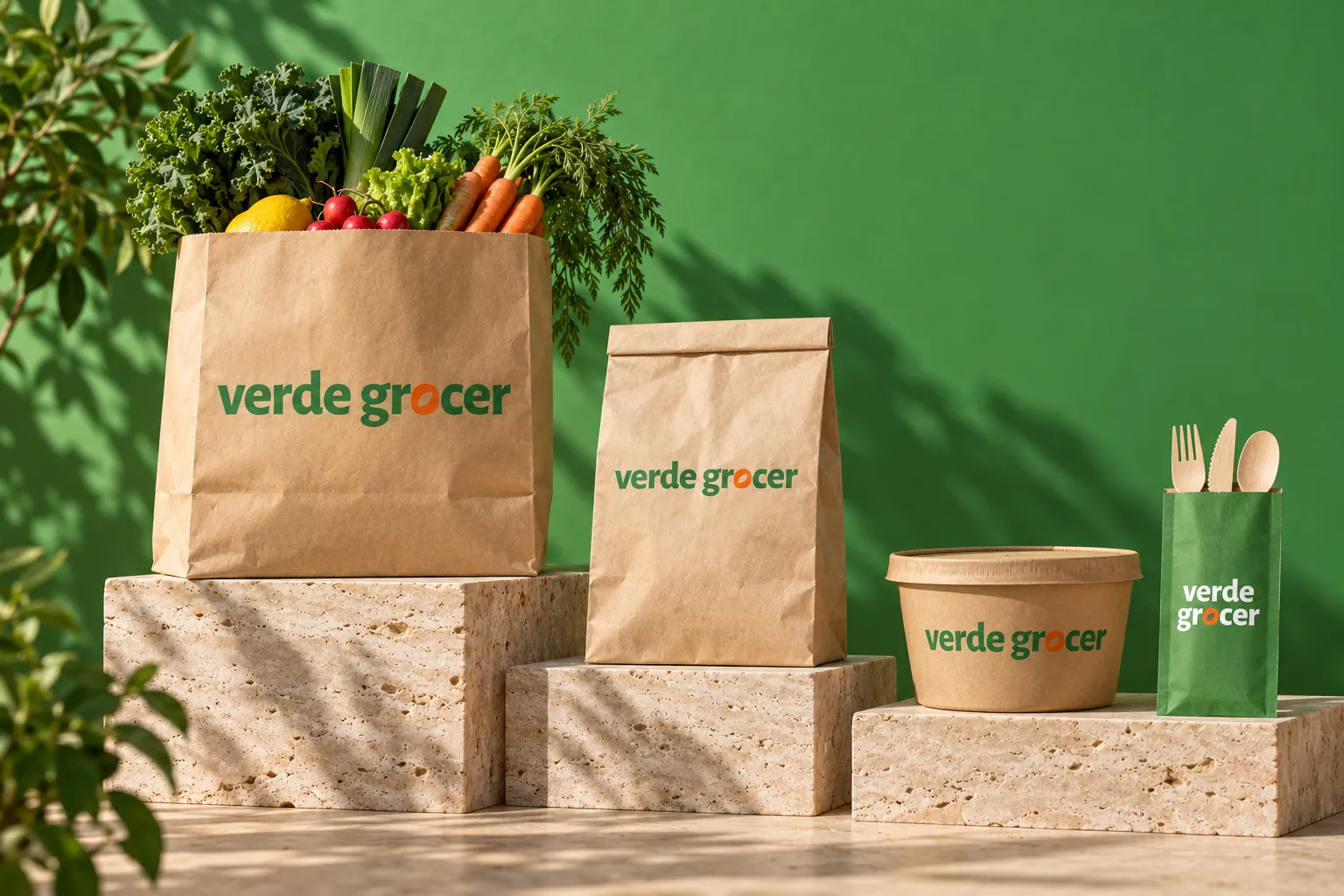
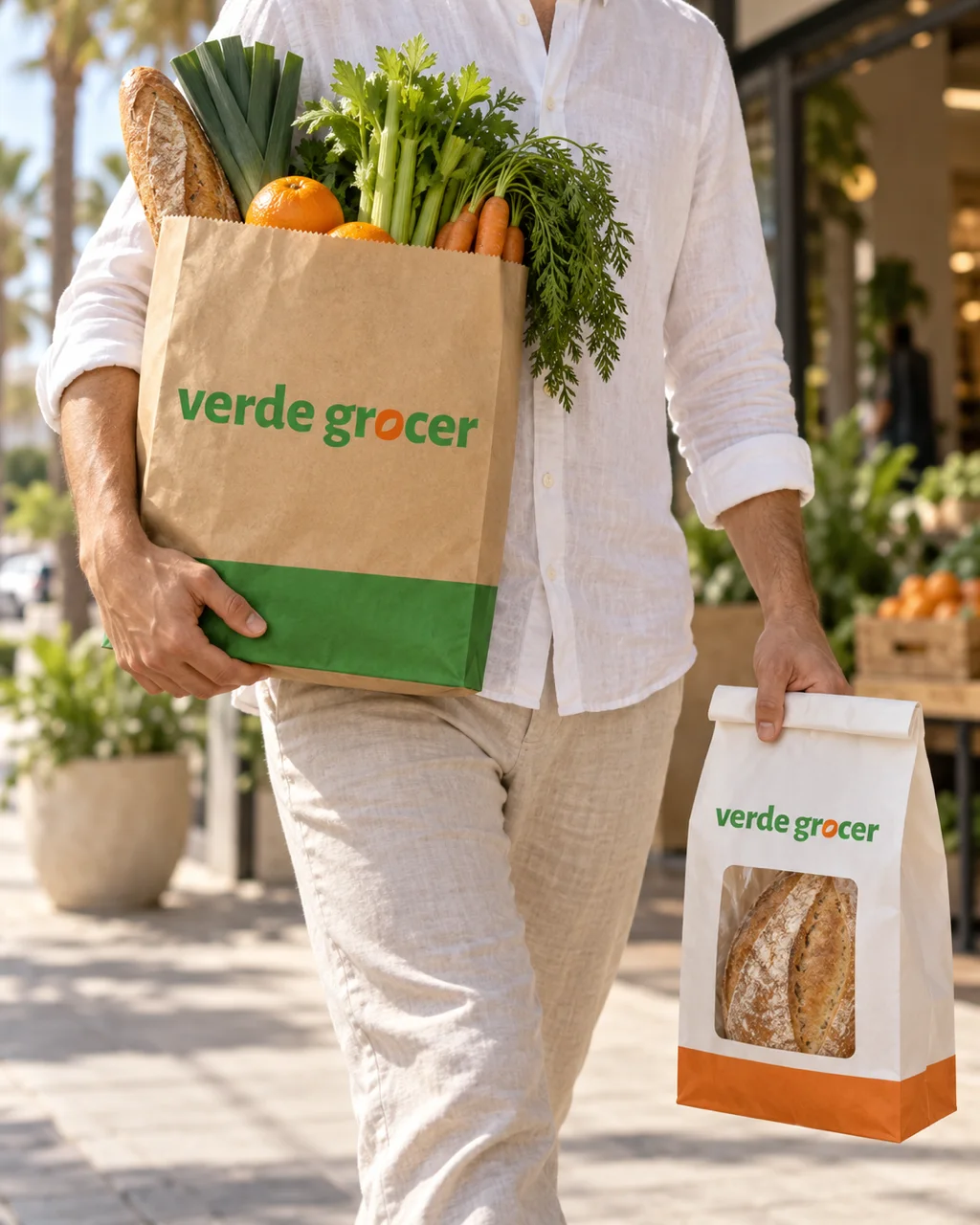
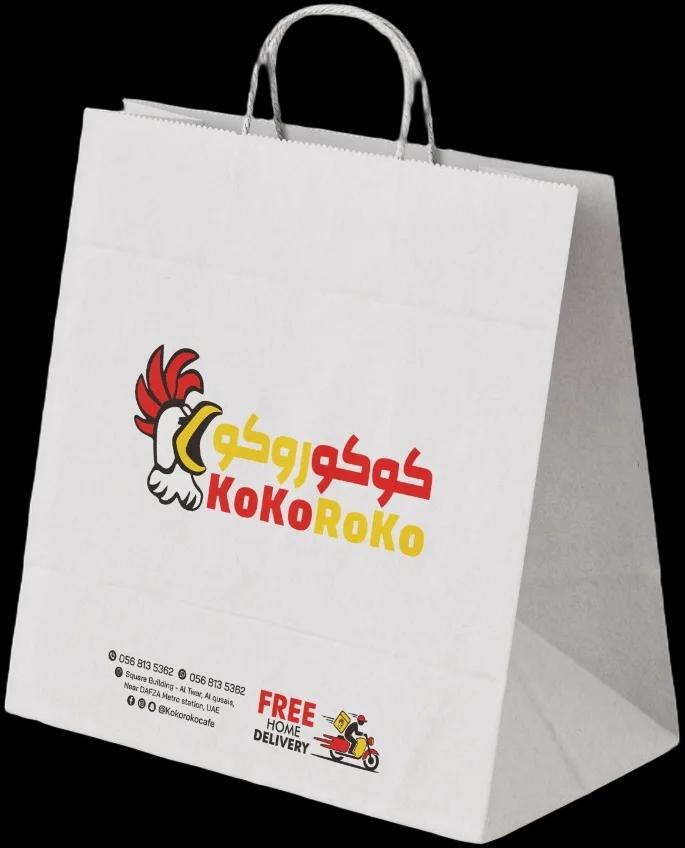
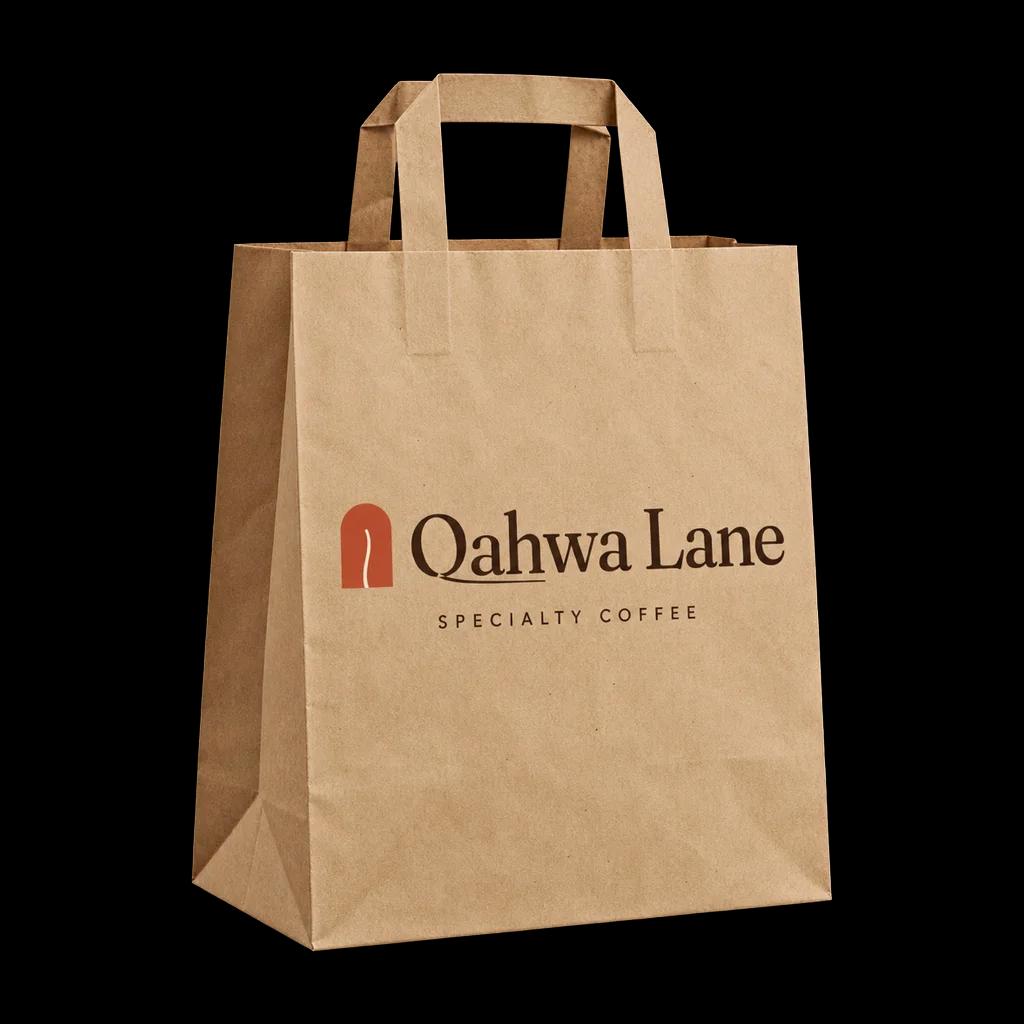
Kraft carry bags
Replace plastic carrier bags. Choose paper handles to keep the bag all paper.
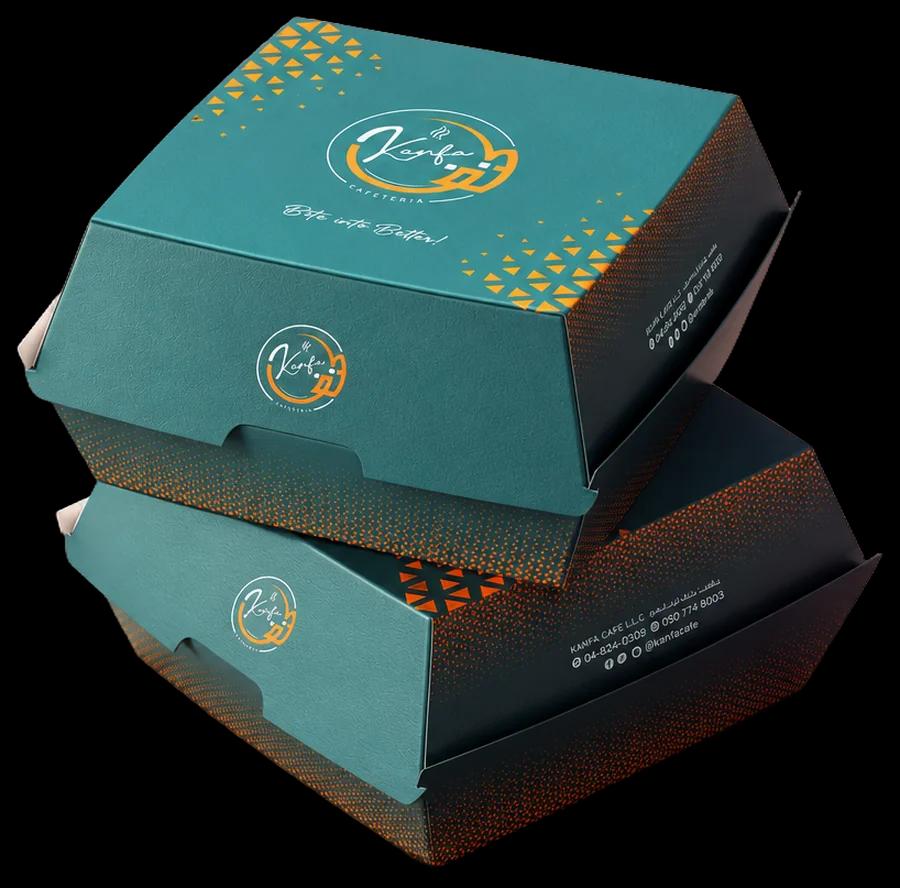
Paperboard and bagasse food boxes
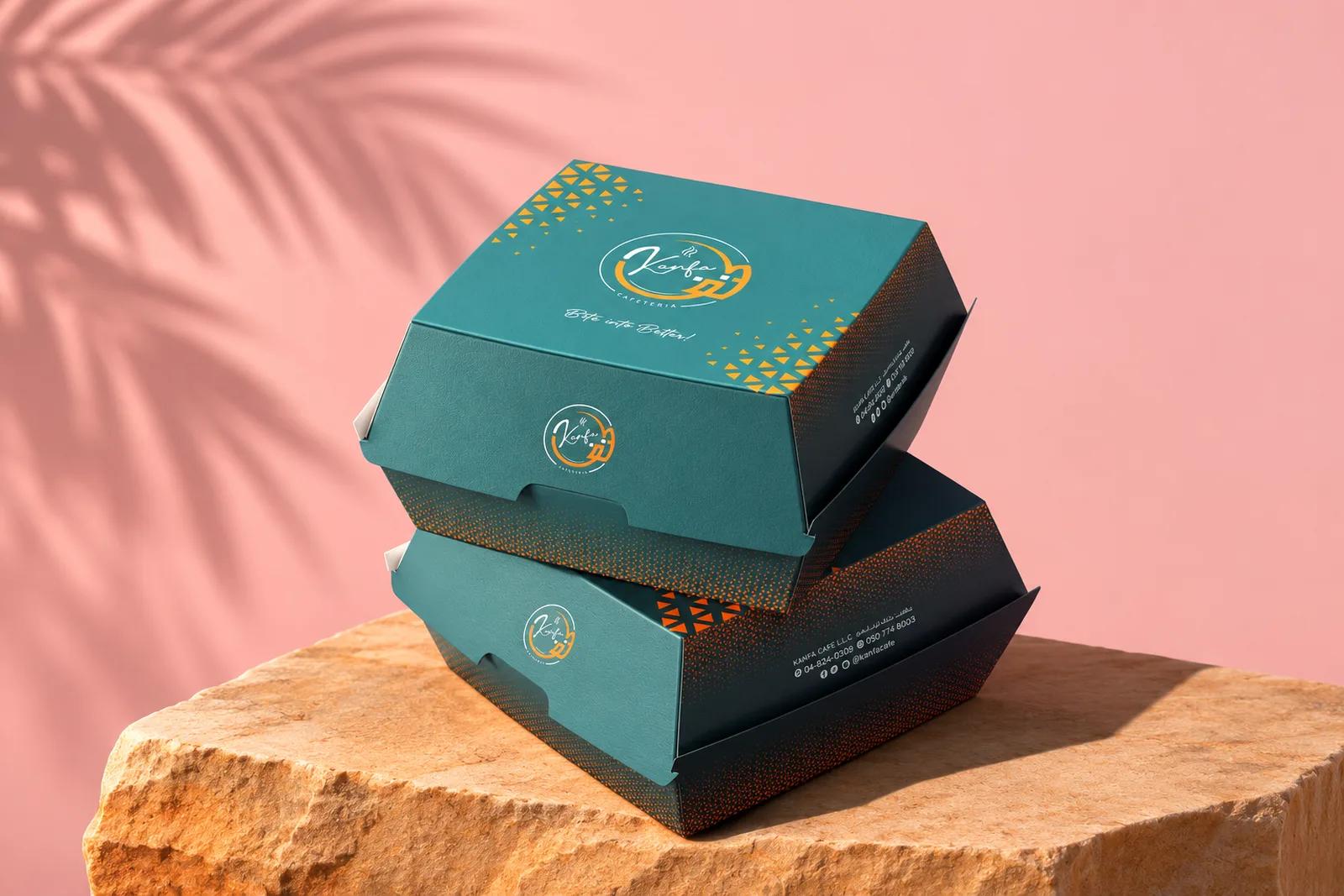
Replace styrofoam clamshells. Grease-resistant board or a greaseproof liner handles oily food.
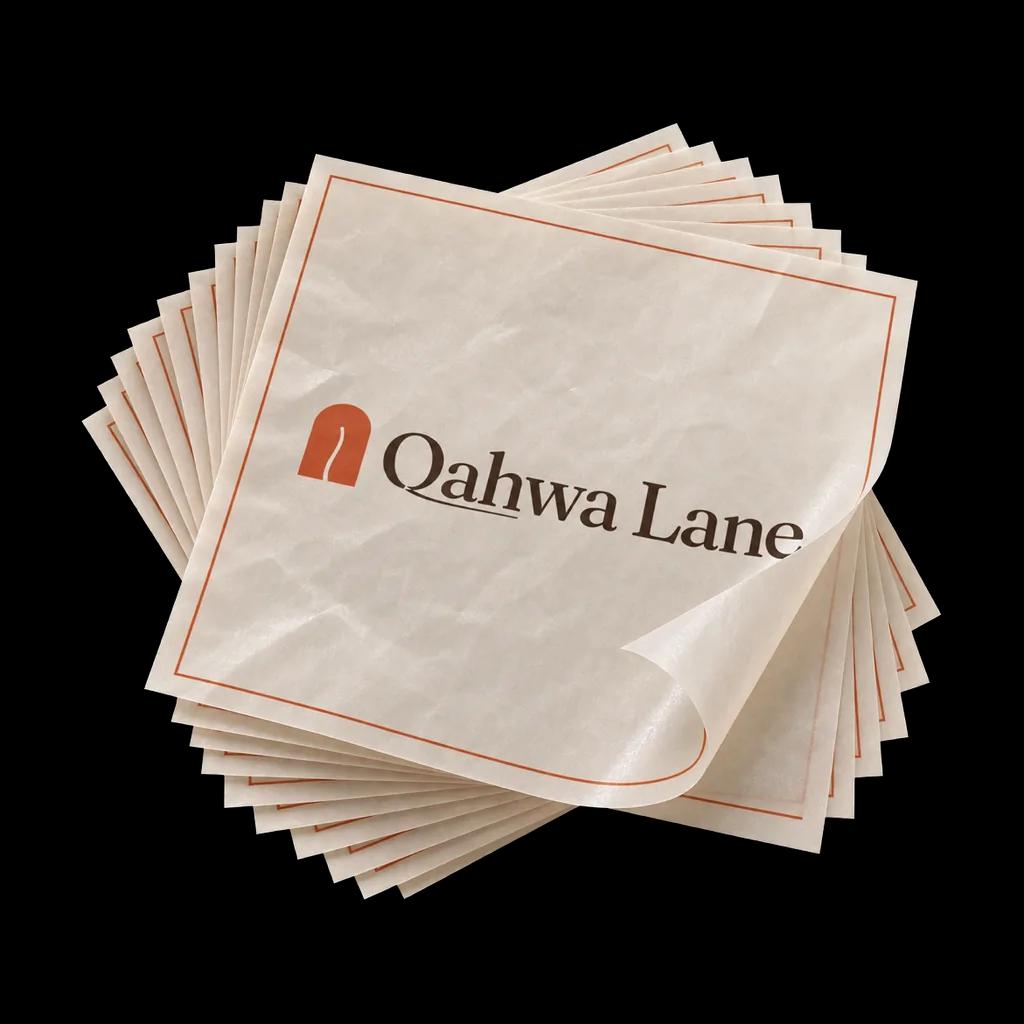
Greaseproof wraps
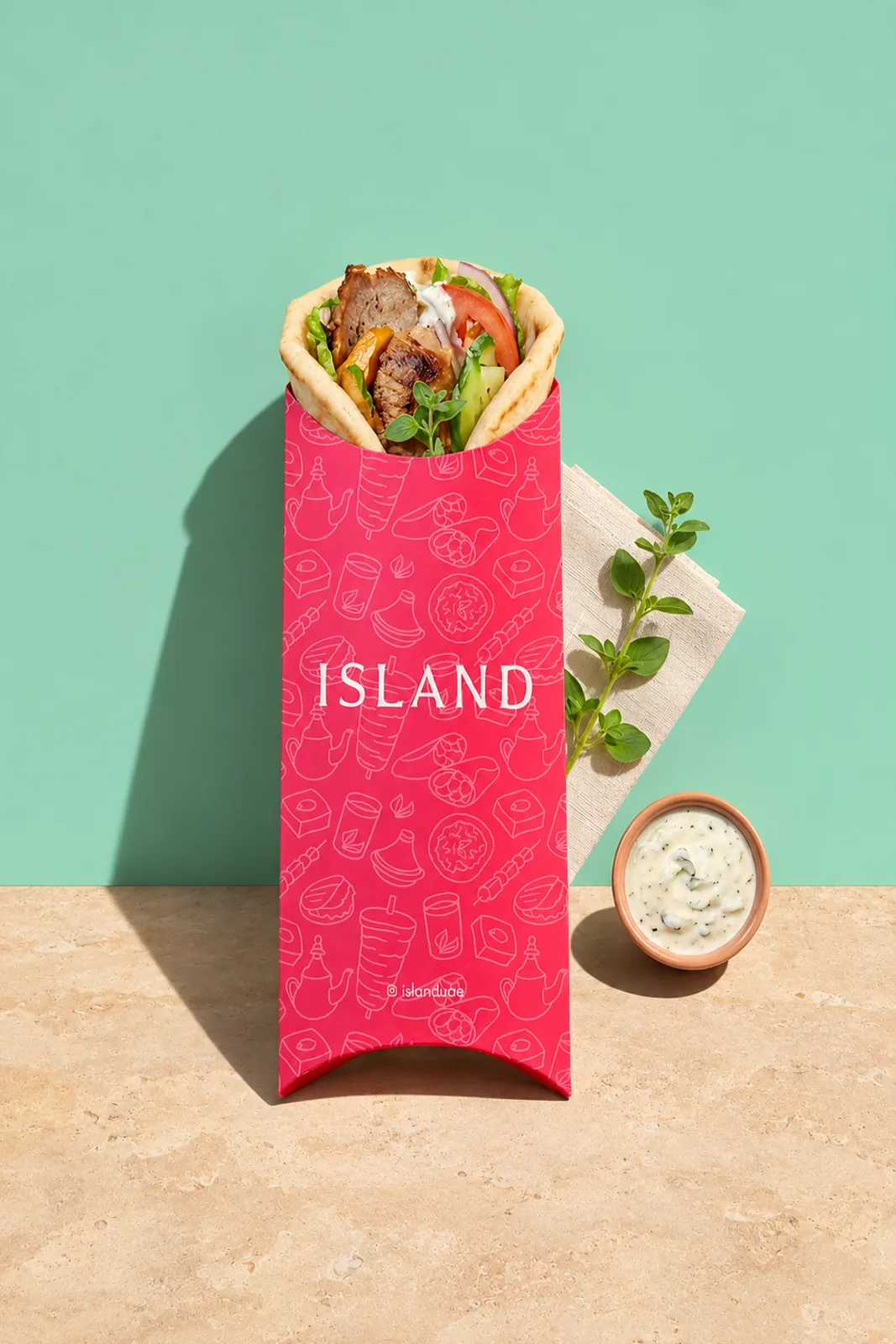
Replace plastic film for burgers, shawarma and sandwiches.
Molded fiber cup lids and carriers
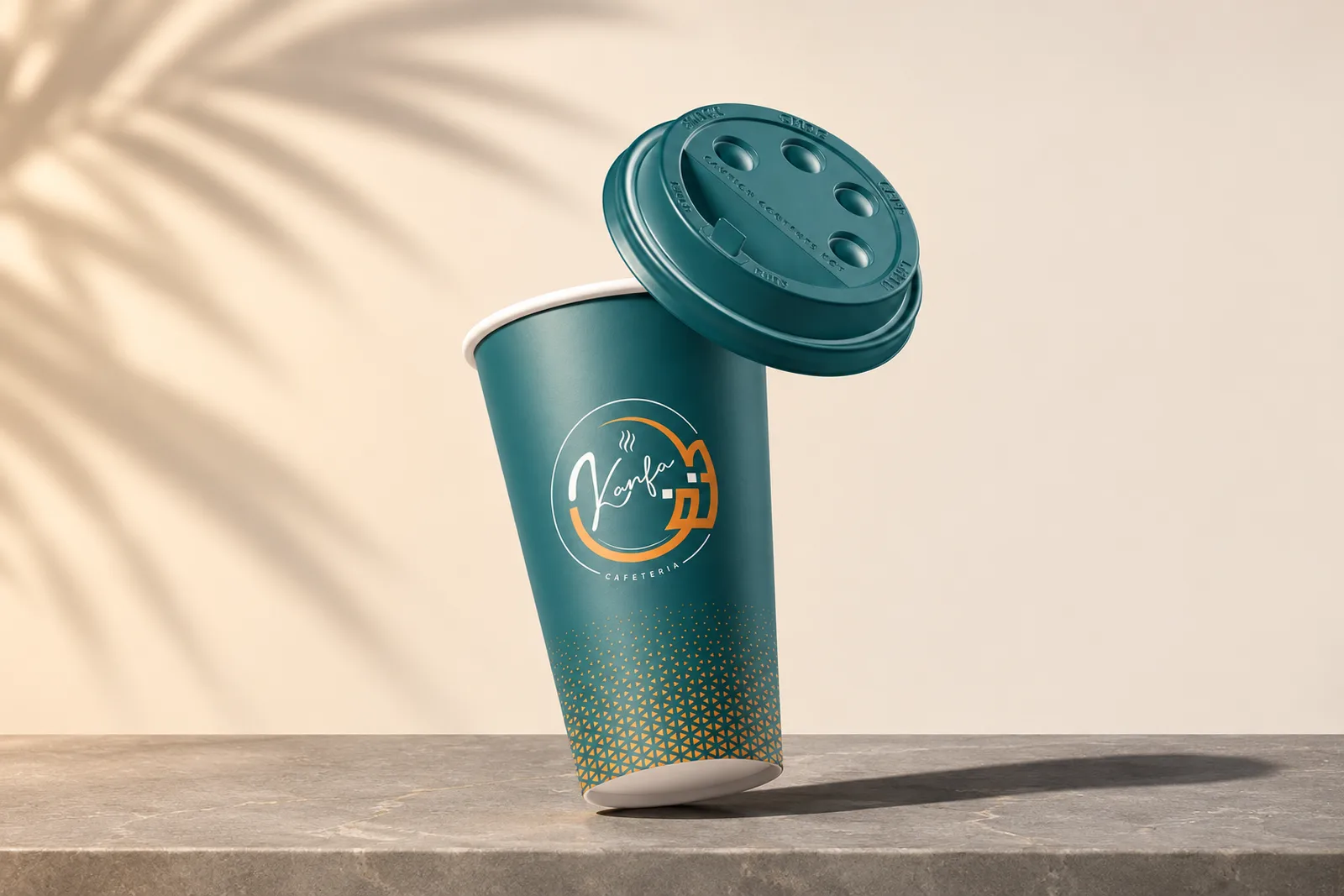
Replace plastic lids and plastic carriers.
Wooden cutlery and stirrers
Replace plastic cutlery and stirrers, both banned under the 2026 rules.
Paper straws
Replace plastic straws.
Advantages and limits
Advantage: renewable source
Paper, bagasse and wood come from materials that grow back, and bagasse uses a by-product that would otherwise be waste.
Advantage: less persistent litter
A paper bag blown into the desert or the sea breaks down; a plastic bag fragments and stays.
Advantage: prints well
Paper and board take ink cleanly, so the switch from plastic is a chance to improve your branding.
Limit: not magic in landfill
Dry, compacted landfill slows breakdown to years, and anaerobic breakdown releases methane.
Limit: performance trade-offs
Uncoated paper does not hold liquid, so many food packs still need a barrier coating.
Limit: cost
Paper alternatives often cost more per unit than the plastic they replace.
The coating question
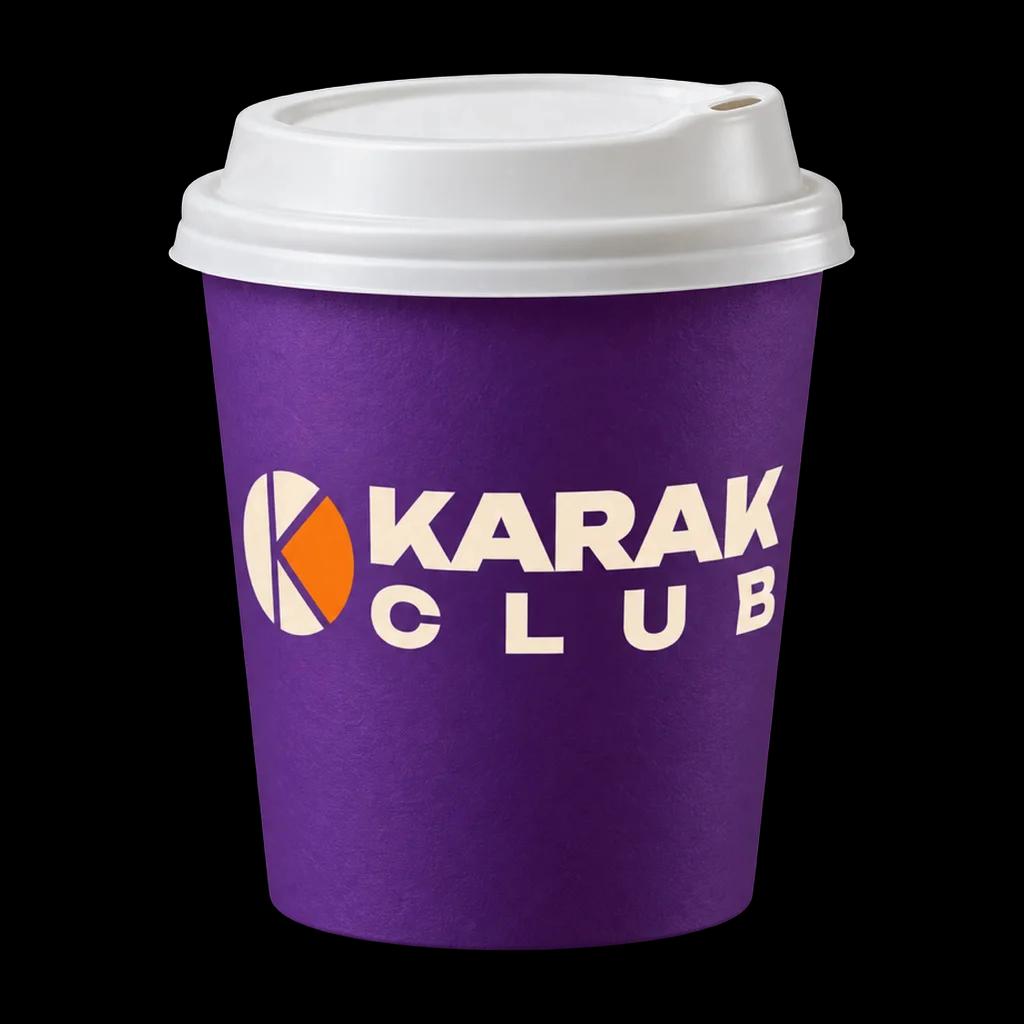
Many paper food packs carry a thin barrier coating so they can hold liquid or grease. Hot cups, soup containers and some food boxes use polyethylene, a conventional plastic. The paper part biodegrades; the coating does not. That does not make the pack a bad choice, especially where regulations now favour paper, but it does mean the whole pack is not fully biodegradable.
Alternatives include PLA coatings, which are industrially compostable, and water-based dispersion barriers designed to make the paper easier to recycle. Each has trade-offs in cost, heat performance and availability. Ask your supplier to name the coating. A vague eco-friendly answer tells you nothing.
How to check a biodegradable claim
Ask what the material is
Paper, board, bagasse, PLA, or a plastic with additives. A clear answer is a good sign.
Ask what the coating or lining is
Most liquid-holding paper packs have one.
Ask under what conditions it breaks down
Industrial compost, home compost or open environment. A claim with no conditions is vague.
Ask for documentation
A test report or certification against a recognized standard such as EN 13432 or ASTM D6400 for compostable claims.
Be wary of degradable and oxo plastics
These fragment rather than biodegrade. The UAE's 2024 federal bag ban included degradable plastic bags.
Should you print biodegradable on your packaging?
We advise caution. A bare biodegradable claim invites the question of how long and where, and if the honest answer is in a landfill, possibly years, the claim can mislead. Naming the material is simpler and safer: made from paper, kraft paper bag, sugarcane fiber bowl. If your pack is certified compostable or realistically recyclable where your customers live, say that precisely instead.
Customers in the UAE respond well to clarity. A short, accurate line on a bag or box, such as please recycle this clean paper bag, does more good than a leaf icon.
Paper packaging from GPP
We print kraft and white paper bags, paper cups, food boxes, greaseproof wraps, cake boxes and cartons in Ajman. Tell us how your packaging will be used and disposed of, and we will suggest materials, coatings and finishes that fit, and share the documentation available from our material suppliers. We will not print claims on your packaging that the material cannot support.
Products in this guide
GPP Production Team
Print & packaging specialists, Ajman
Written by the people who run our presses and finishing lines in Ajman, and checked against current UAE rules where regulation is involved. Published 6 Oct 2026; last reviewed 10 Oct 2026.