
The short answer
In the UAE, butter paper usually means greaseproof paper: a dense, grease-resistant sheet for wrapping burgers, shawarma and sandwiches. Parchment (baking paper) is treated or silicone-coated so it is non-stick and oven-safe. Wax paper has a wax coating that resists moisture but must never go in the oven. They are not interchangeable.
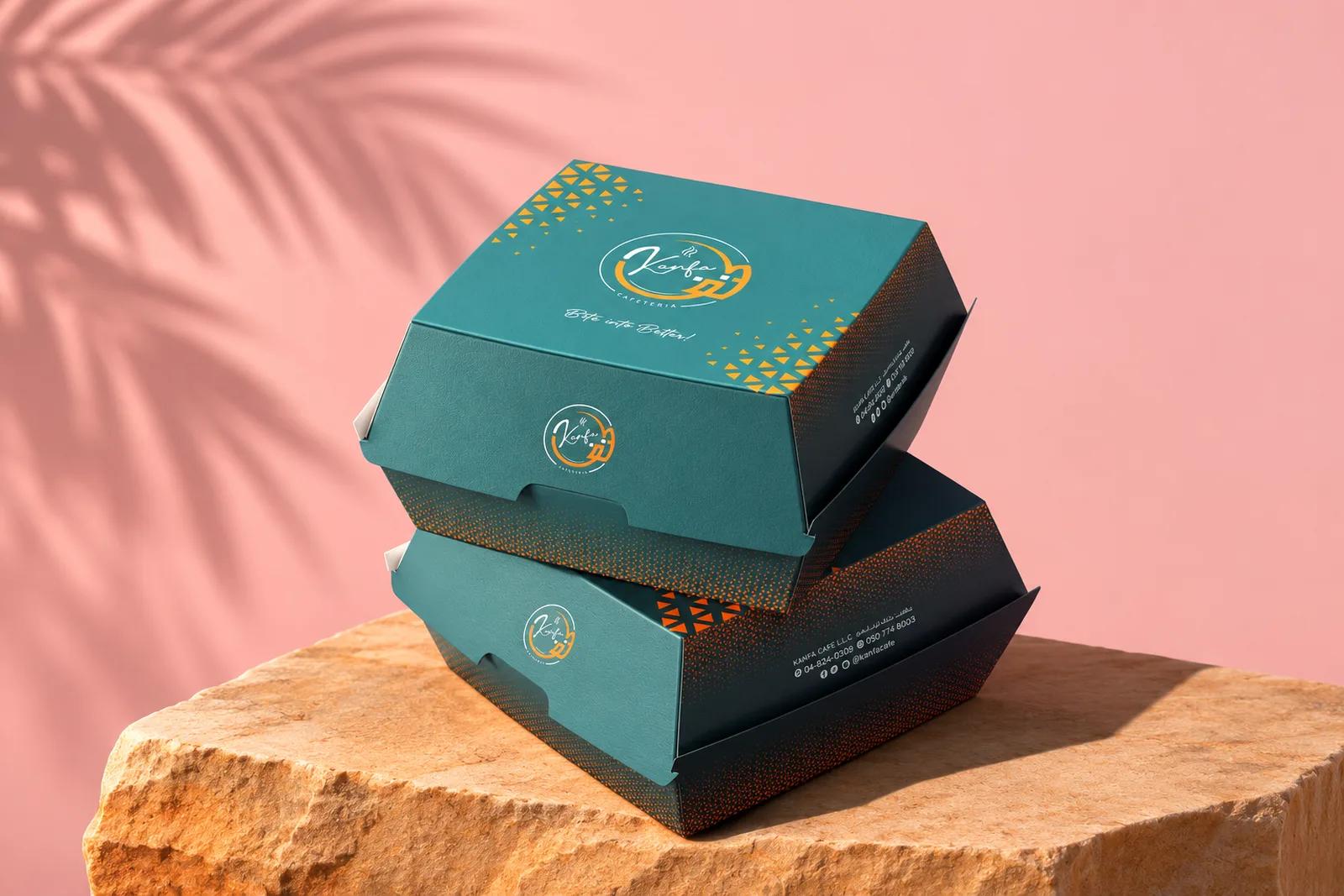
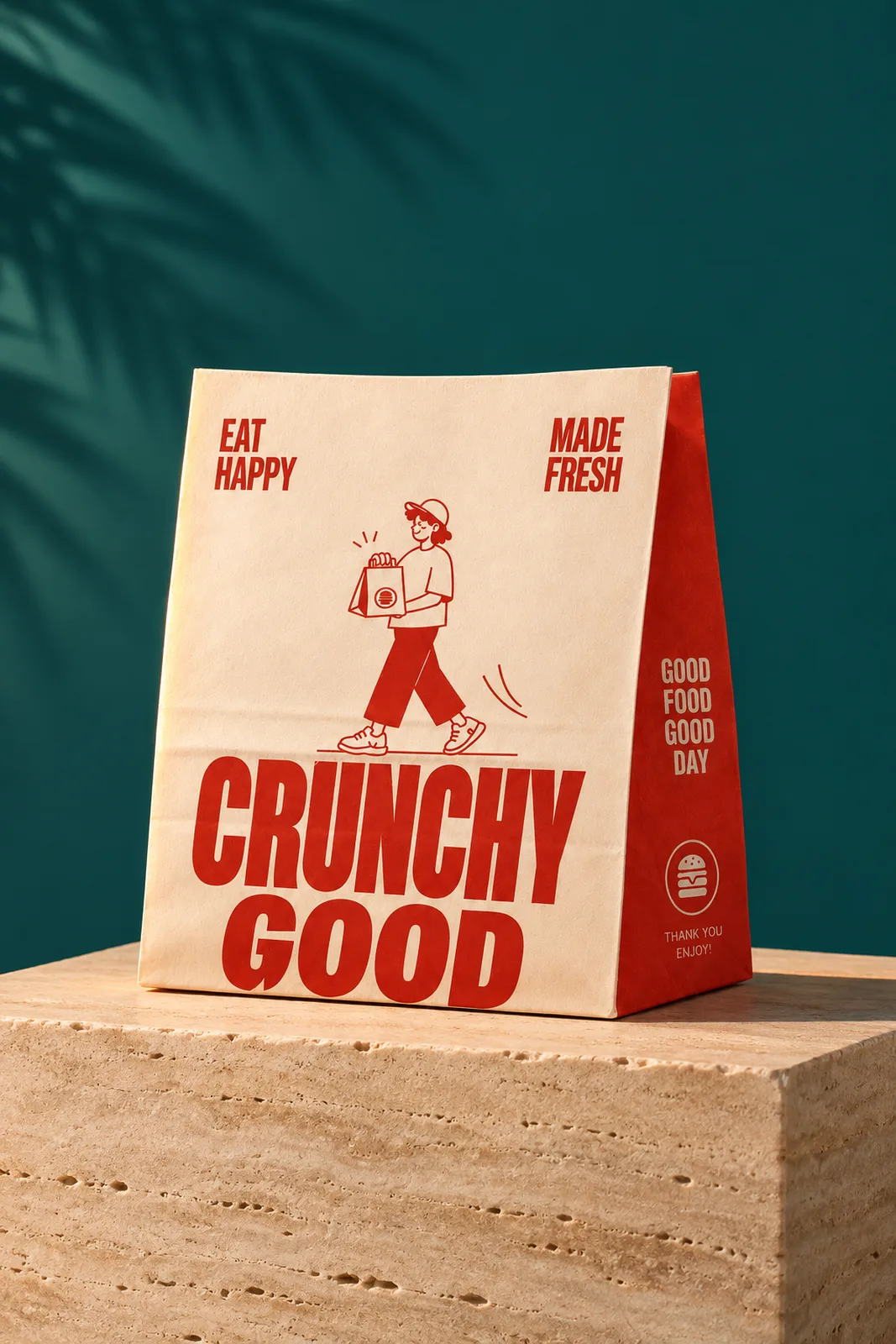
Kitchens mix these names up all the time, and suppliers do too. We print greaseproof wraps for burger chains and shawarma counters, and a good share of first inquiries ask for butter paper and mean one thing while the spec they need is another. This post sorts out the four papers, shows where each one belongs, and explains what changes when you want your logo printed on it.
The four papers compared
Typical properties. Individual products vary, so check the supplier's spec sheet for heat limits and food-contact use.
| Property | Greaseproof paper | Parchment (baking paper) | Butter paper (UAE usage) | Wax paper |
|---|---|---|---|---|
| How it is made | Very finely refined pulp pressed into a dense sheet; some grades add a grease-resistant treatment | Paper passed through acid (vegetable parchment) and/or coated with silicone | Usually greaseproof paper; sometimes used for baking paper | Paper coated with paraffin or vegetable wax |
| Grease resistance | High | High | High if greaseproof | Moderate |
| Moisture resistance | Moderate | High | Moderate | High |
| Non-stick | Partly; food can stick when baked | Yes, especially silicone-coated | Depends on the actual paper | Yes for cold foods |
| Oven-safe | Not recommended for baking | Yes, typically to about 220 to 230°C (check the pack) | Only if it is actually parchment | No; wax melts and can smoke |
| Printable with your logo | Yes, the standard choice for printed wraps | Limited; the silicone surface resists ink | Yes if greaseproof | Printed before waxing; limited options |
| Typical weight | 28 to 50 gsm | 38 to 45 gsm | 28 to 50 gsm | 25 to 40 gsm |
| Typical use | Burger and sandwich wraps, tray liners, bakery bags | Baking trays, cake tin lining, en papillote cooking | Wrapping and lining in restaurants and bakeries | Deli wrapping, cheese, cold sandwiches |
Greaseproof paper
Greaseproof paper gets its resistance from the way the pulp is processed. The fibers are refined, or beaten, for much longer than for ordinary paper, so they break down and pack tightly together. The result is a dense, slightly translucent sheet with very few gaps for oil to travel through. Some grades add a surface treatment to push grease resistance higher.
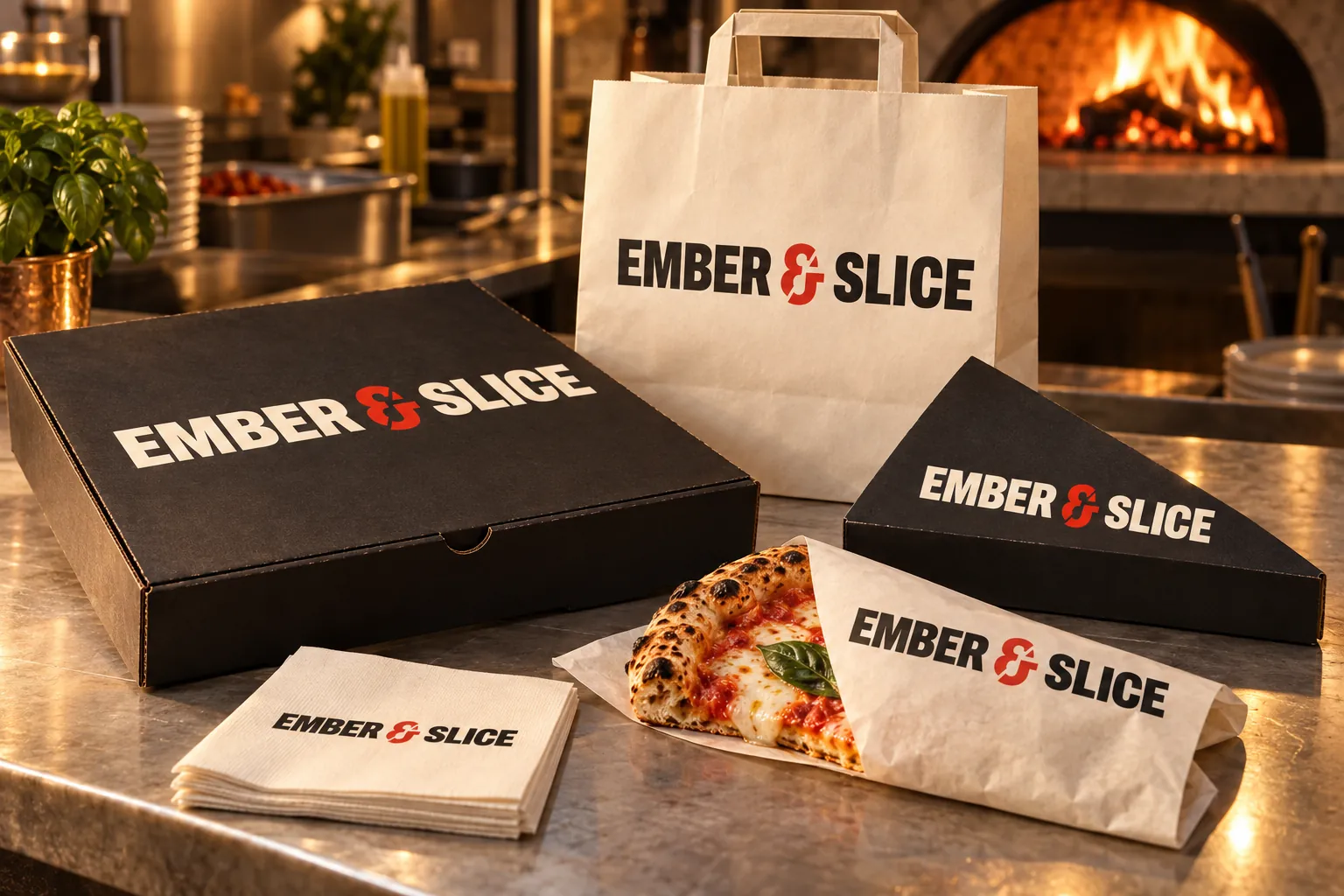
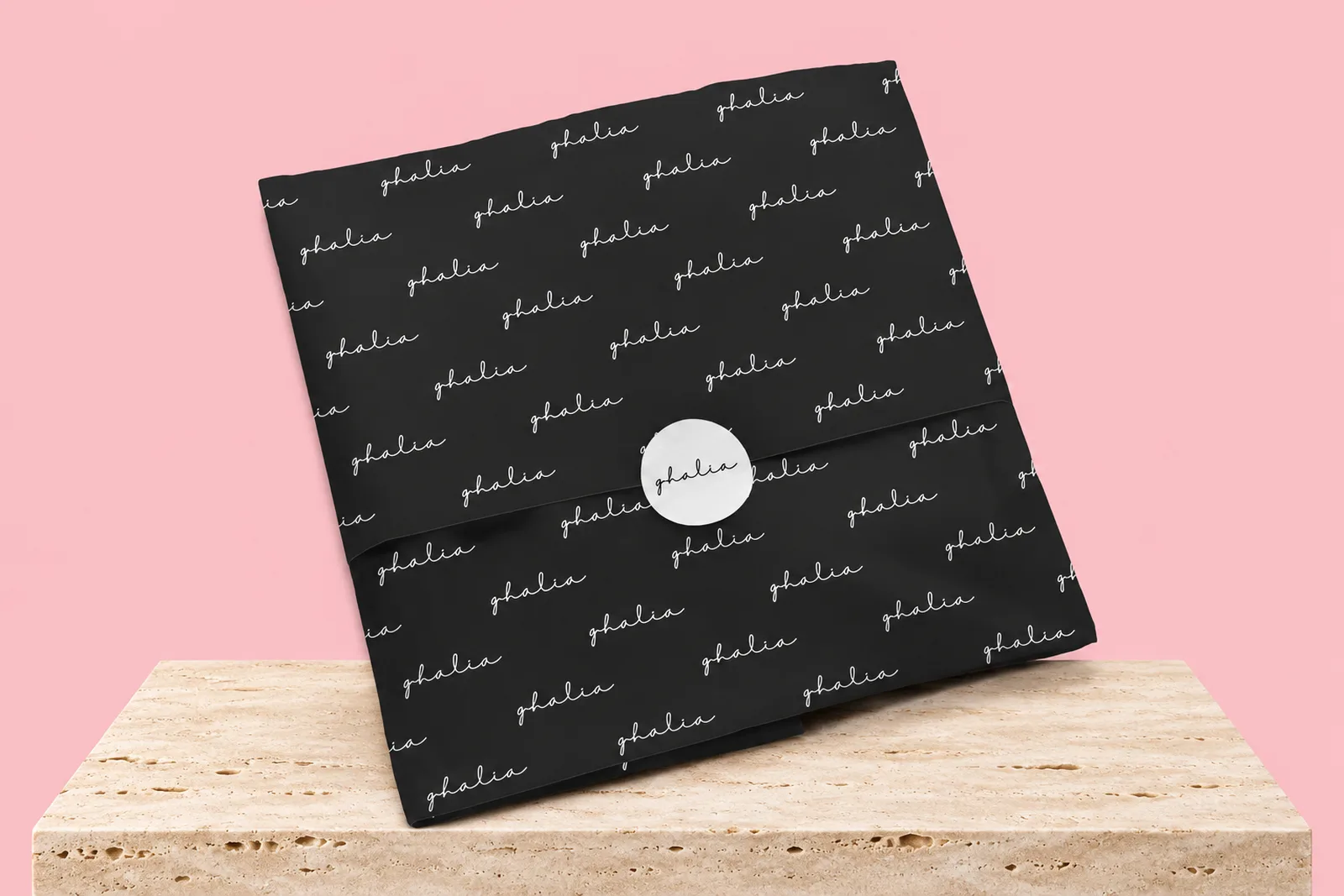
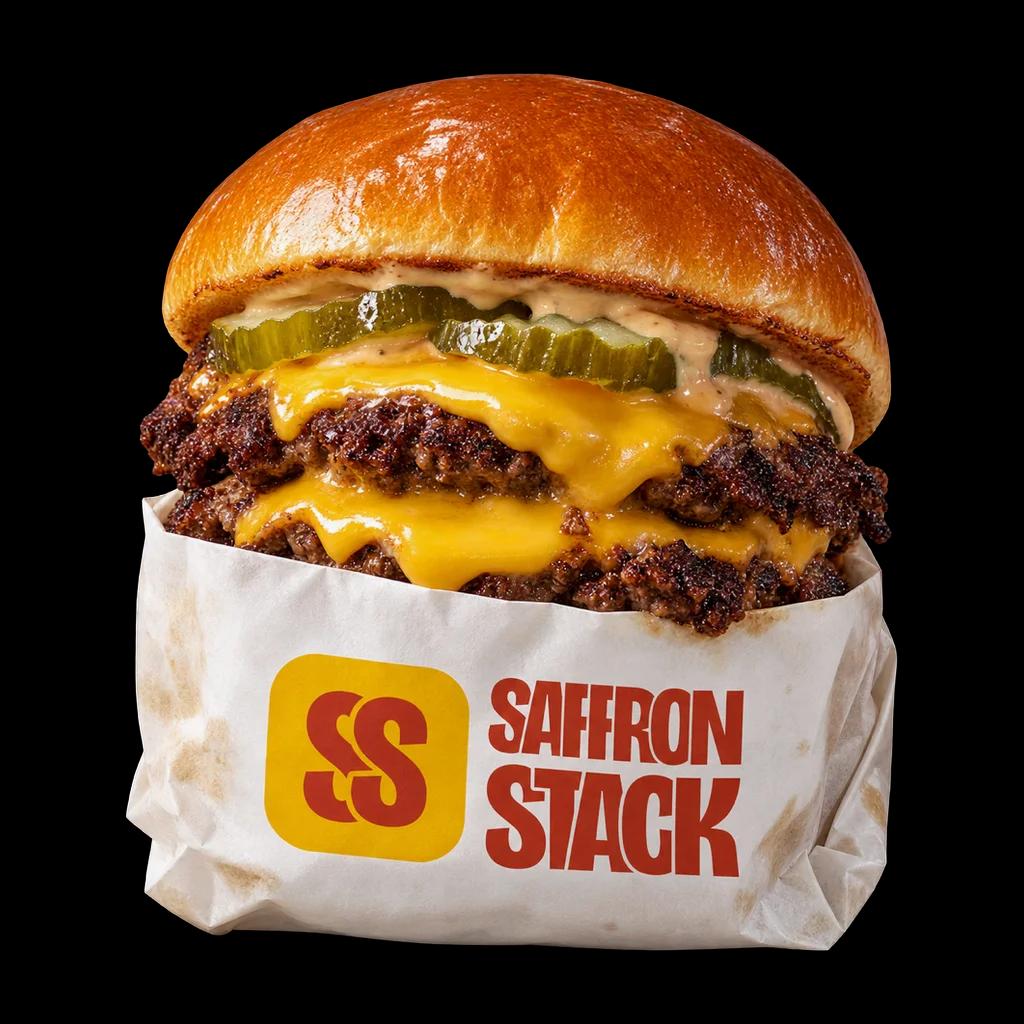
It is the workhorse of takeaway. Burger wraps, shawarma wraps, sandwich sheets, basket liners and the sheet under a portion of fried chicken are usually greaseproof. It takes print well, which is why most branded wraps you see are greaseproof paper printed with food-safe inks.
Older greaseproof grades sometimes relied on fluorochemical treatments, part of the group known as PFAS, to resist grease. Several markets have restricted PFAS in food packaging, and buyers increasingly ask for PFAS-free grades. If that matters to your brand or your customers, ask your supplier to state in writing whether the grade is free of intentionally added PFAS.
Parchment paper (baking paper)
Parchment is made to survive the oven. Vegetable parchment is made by passing paper through an acid bath, which partly dissolves the surface fibers and fuses them into a tough, grease- and water-resistant sheet. Most baking paper sold today also carries a thin silicone coating, which gives it a reliable non-stick surface.
Bakers line trays and tins with it, chefs use it to cook fish and vegetables in a parcel, and it handles typical baking temperatures, usually up to around 220 to 230°C, though you should always check the limit on the product. The silicone surface that stops cakes sticking also stops ink sticking, so custom-printed parchment is rare and expensive. For a branded wrap, use greaseproof.
Butter paper: a name, not a material
In British usage, butter paper was historically greaseproof paper used to wrap blocks of butter. In the UAE and across South Asia, the term is used loosely for both greaseproof paper and baking paper, which is why Google's suggestions show people asking whether butter paper and parchment paper are the same.
The safe approach is to ask what the paper will do rather than what it is called. If you want to wrap a burger and print your logo on it, you want greaseproof. If you want to line a tray that goes into a 200°C oven, you want parchment. When you order, specify the material, the gsm and the use, and you will get the right product whatever name the supplier uses.
Wax paper
Wax paper is thin paper coated on one or both sides with paraffin or a vegetable wax. The wax makes it moisture-resistant and non-stick at room temperature, which suits deli counters, cheese wrapping and cold sandwiches. Heat is its weakness: the wax softens, transfers onto food and can smoke in an oven. Keep it for cold jobs only.
Wax-coated paper is also harder to recycle than plain greaseproof, because the coating has to be separated from the fiber.
Which paper for which job
Burger wraps
Greaseproof, 30 to 40 gsm, printed one or two colors. Fold-wrapped or as a pocket.
Shawarma and wraps
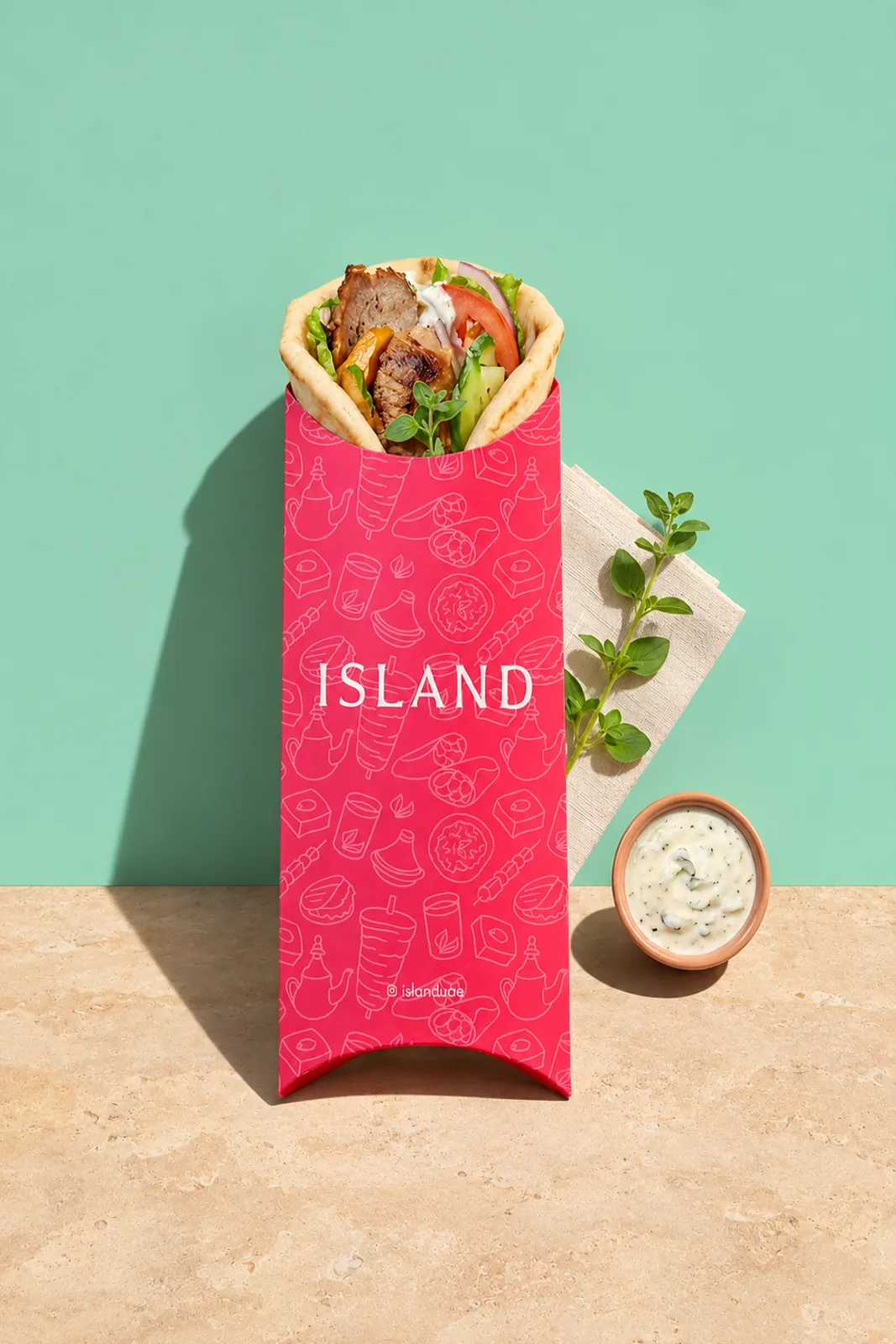
Greaseproof sheets or pre-formed greaseproof pockets. A printed pocket holds the wrap and the sauce.
Tray and basket liners
Greaseproof, printed. A good place for a menu teaser or a QR code.
Baking and roasting
Silicone-coated parchment. Never greaseproof or wax paper.
Cold deli and cheese
Wax paper or greaseproof, depending on how moist the product is.
Bakery bags
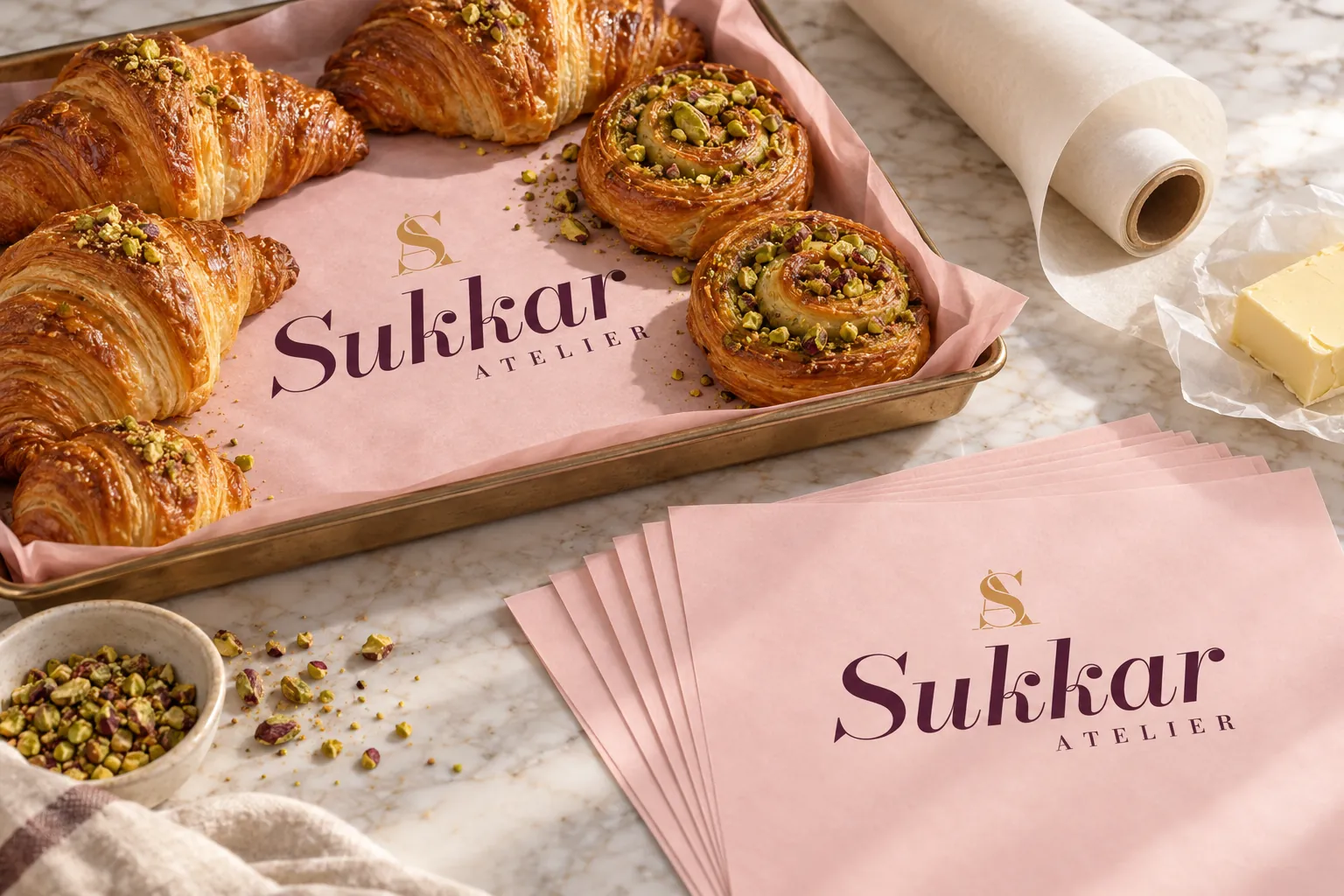
Greaseproof or kraft with a grease-resistant layer, especially for croissants and doughnuts.
Printing greaseproof wraps
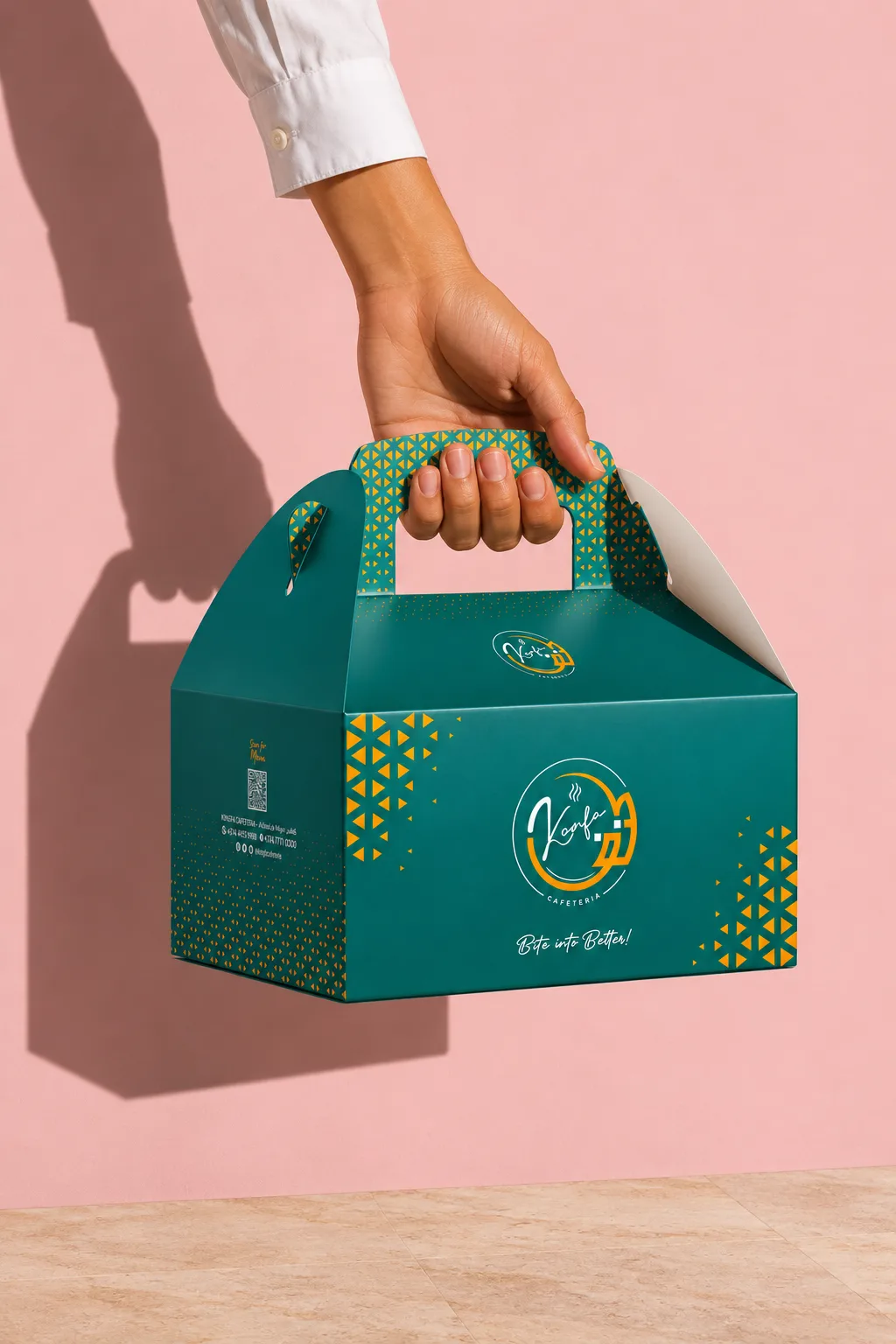
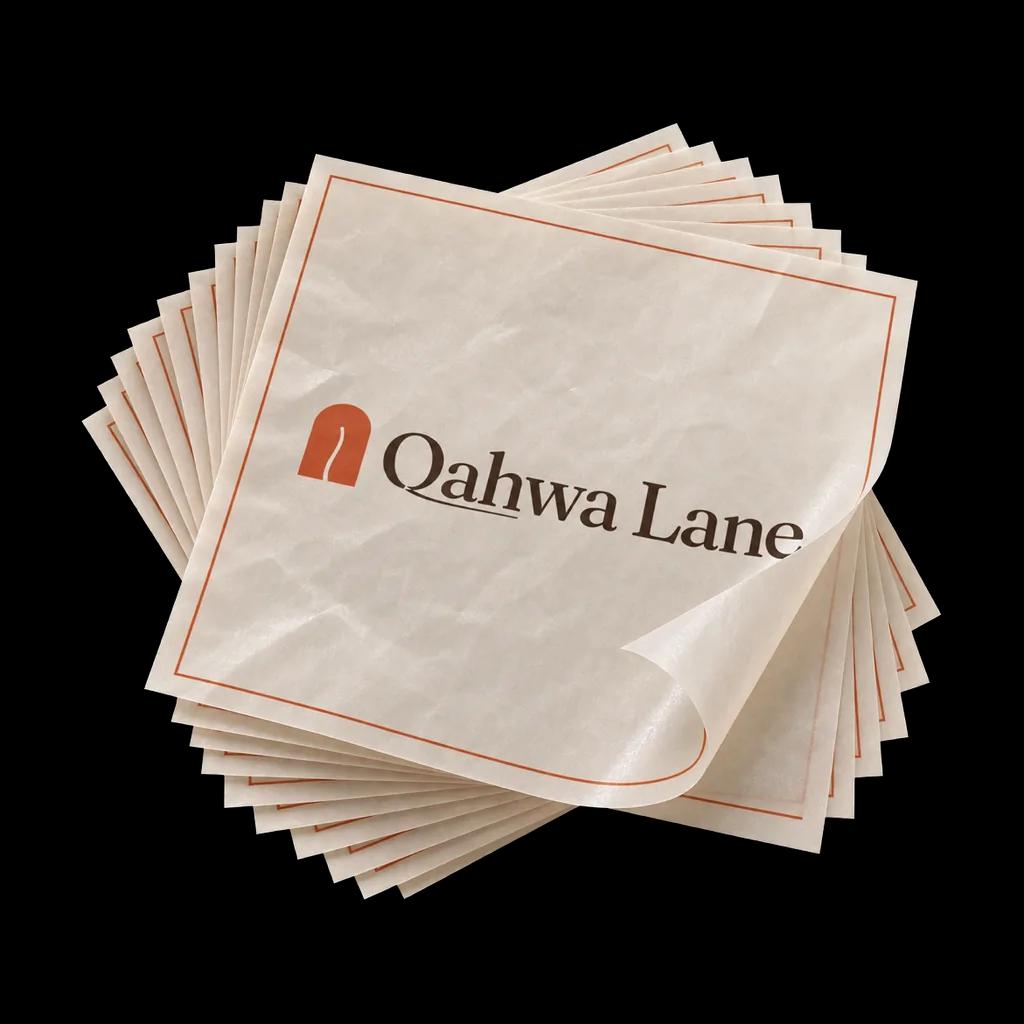
Printed wraps are one of the cheapest branded items a restaurant can buy per piece, and one of the most photographed. A few things make them work. Keep the design simple, because greaseproof is thin and slightly translucent, so heavy ink coverage can show through and add cost. Use one or two strong colors or an all-over pattern. Ask for food-safe, low-odor inks suitable for indirect food contact, with printing on the outside of the fold where possible.
Think about how the sheet folds around the food. An all-over repeat pattern looks good from any angle. A single central logo can end up folded underneath. For pockets and bags, the position is fixed, so a centered logo works well.
Common sheet sizes for burger wraps sit around 300 x 300 mm to 350 x 350 mm, and for sandwich and shawarma sheets around 250 x 380 mm to 300 x 400 mm. These are typical; size your sheet by wrapping your actual product with plain samples first.
Greaseproof wraps from GPP
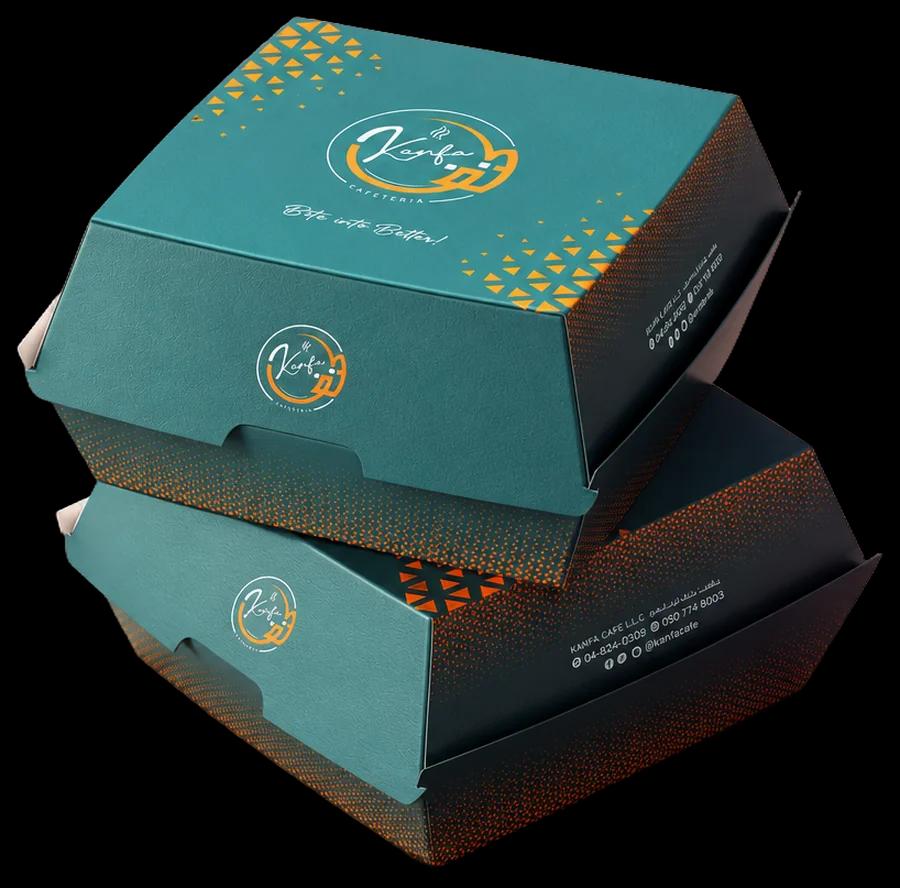
We print and cut greaseproof sheets, burger wraps and sandwich wraps in Ajman. Send us your product sizes and artwork and we will suggest a sheet size and gsm, and send plain samples so you can test the wrap with your food before we print. Ask for current minimum quantities and lead times when you request a quote.
Products in this guide
GPP Production Team
Print & packaging specialists, Ajman
Written by the people who run our presses and finishing lines in Ajman, and checked against current UAE rules where regulation is involved. Published 22 Sept 2026; last reviewed 10 Oct 2026.