
The short answer
Offset printing uses metal plates and ink; it has a setup cost but a low cost per sheet, exact Pantone colors and the widest choice of paper and board. Digital printing needs no plates, so it is cheaper for short runs and can personalize every copy. Typically, digital wins below a few hundred sheets and offset wins above.
We run German-built Heidelberg offset presses at German Printing Press, and the offset-or-digital question comes up on almost every new inquiry, from a 500-card business card order to 50,000 printed cartons. This guide explains how each process works, where the cost lines cross, how they compare on color and materials, and how to decide for your job. We also cover the hybrid approach that often gives the best of both.
How offset printing works
Offset lithography relies on a simple fact: oil and water do not mix. Your artwork is separated into colors, usually cyan, magenta, yellow and black, plus any spot colors, and each color is imaged onto its own aluminum plate. On the plate, image areas attract oily ink and non-image areas attract water.
On the press, each plate is wrapped around a cylinder. It is dampened, inked, and then transfers, or offsets, the inked image onto a rubber blanket cylinder, which in turn presses it onto the paper. A sheet-fed press has one printing unit per color in a row, so a sheet passes through every unit and comes out printed in full color in one pass. Many presses add a coating unit at the end for varnish.
Before good sheets come off, the press operator mounts plates, sets ink keys and brings the colors into register so every color lands exactly on top of the others. This setup is called makeready. It takes time and uses waste sheets, and it is the main reason offset has a fixed cost per job. Once the press is running, it prints thousands of sheets an hour with very consistent color.
How digital printing works
Digital presses print directly from the file, with no plates. Most production digital presses work like an advanced laser printer, fusing dry or liquid toner onto the sheet. Others use inkjet heads that spray tiny droplets of ink. Either way, every sheet can be different, because the press images each one fresh from the data.
Setup is minimal: load the paper, run a calibration, print. That makes digital ideal for short runs, fast turnarounds and variable data such as names, numbers and QR codes. The cost per sheet is higher than offset and stays roughly flat however many you print, because there is no setup to spread.
Offset and digital compared
| Item | Offset | Digital |
|---|---|---|
| Setup | Plates and makeready for every job | Minimal |
| Cost per sheet | Low, and falls with volume | Higher, roughly flat |
| Sweet spot | Hundreds to hundreds of thousands of sheets | One to a few hundred sheets |
| Color | CMYK plus exact Pantone spot inks | CMYK, sometimes extended gamut; Pantone simulated |
| Consistency over a long run | Excellent once set | Good; can drift between sessions |
| Paper and board range | Very wide: thin papers to heavy packaging board, textured and uncoated stocks | Narrower; some heavy, textured or uncoated stocks are limited |
| Sheet size | Large formats, suited to packaging layouts | Usually smaller sheets |
| Variable data | No; every sheet is the same | Yes; every sheet can differ |
| Turnaround | Longer because of plates and drying | Fast |
| Best for | Packaging, brochures, catalogs, menus, cards in volume | Prototypes, samples, short runs, personalized items |
Cost: where the lines cross
Think of each job as a fixed cost plus a running cost. Offset has a high fixed cost (plates and makeready) and a low running cost per sheet. Digital has almost no fixed cost and a higher running cost. Plot both against quantity and the lines cross. Below that point digital is cheaper. Above it, offset is cheaper, and the gap widens with every extra sheet.
To show the shape, here is an illustration in made-up cost units, not dirhams. Say offset setup costs 300 units and each sheet 0.15, while digital costs 1.00 per sheet with no setup. The crossover falls at roughly 350 sheets. In real jobs it moves around a lot. More colors or a spot color push offset setup up and the crossover higher. Heavy board, large sheets or special stocks favour offset sooner. As a typical range, the crossover tends to fall somewhere between a few hundred and a couple of thousand sheets.
Remember that a sheet is not the same as an item. A large press sheet can carry 20 or more business cards, or several brochure pages. A run of 1,000 business cards might only be 50 sheets, which is digital territory. A run of 10,000 cards is 500 sheets and starts to favour offset.
Illustrative cost by run length
Made-up cost units using the example above, to show the shape of the curves. Real costs depend on the job.
| Sheets | Digital total | Offset total | Cheaper |
|---|---|---|---|
| 100 | 100 | 315 | Digital |
| 250 | 250 | 338 | Digital |
| 500 | 500 | 375 | Offset |
| 1,000 | 1,000 | 450 | Offset |
| 5,000 | 5,000 | 1,050 | Offset |
| 20,000 | 20,000 | 3,300 | Offset |
Color: CMYK, Pantone and consistency
Both processes print in CMYK, building colors from tiny dots of cyan, magenta, yellow and black. The difference shows with brand colors. Offset can print a Pantone spot color from ink mixed to an exact recipe, on its own plate. A signature red or teal comes out the same on your cups, bags and brochures. Digital presses simulate Pantone colors from CMYK, and some add extra colors to widen the range, but some shades, especially bright oranges, greens, purples and metallics, cannot be matched exactly.
Consistency is the other factor. Once an offset press is set up and running, color stays stable across tens of thousands of sheets, and press operators monitor color bars throughout the run. Digital color is generally consistent within a session, but can shift slightly between days or machines, which matters when you reorder and want the new batch to match the old.
Paper changes color too. The same ink looks different on coated white board, uncoated paper and brown kraft. Always judge proofs on the stock you will print on.
Paper, board and special stocks
Offset handles a very wide range of materials: lightweight papers for leaflets, uncoated and textured papers for stationery, heavy art card for business cards and invitations, and the folding boxboard used for cartons, cake boxes and cup blanks. That flexibility is why packaging is almost always printed offset.
Digital presses have improved, but heavy board, deeply textured papers and some uncoated stocks still cause problems with toner adhesion or feeding, and maximum sheet sizes are smaller. If your design calls for a particular paper, check with your printer before you choose the process.
Packaging: why offset dominates
Folding cartons, paper cups, cake boxes, food boxes and printed bags are usually offset-printed on large sheets, then die-cut, folded and glued. Offset suits packaging because the runs are long, brand colors must match across products, the board is heavy, and the large sheet size fits several box layouts at once, which keeps material cost down.
Digital has a real role in packaging all the same. Printers use it for prototypes and mock-ups, so you can hold a printed sample of your box before committing to plates. For very short runs, such as a launch batch of 200 gift boxes or personalized event packaging, digital can make sense where offset setup would be out of proportion to the run.
Finishing works with both, with some caveats
Lamination, spot UV, hot foil, embossing and die-cutting can all follow either process. A few details differ. Some lamination films and foils adhere less reliably to toner than to offset ink, so printers choose compatible films and adjust settings. Heavy toner coverage can crack along folds on thick card unless the sheet is scored properly. These are routine for an experienced finisher, but they are worth asking about if your job has deep folds or heavy finishes.
Choose digital when
The run is short
Typically below a few hundred sheets, such as a small batch of business cards or event menus.
You need it fast
No plates or drying time means faster turnaround.
Every copy is different
Names, numbers, codes and personalized designs.
You need a prototype or sample
A printed mock-up before an offset production run.
You are testing a design
Print a small batch, learn, and adjust before printing in volume.
Choose offset when
The run is medium to long
From several hundred sheets upward, the unit cost falls well below digital.
Brand color must be exact
Pantone spot colors printed from mixed ink.
You are printing packaging
Heavy board, large sheets and die-cut layouts.
You want a particular stock
Textured, uncoated, heavy or specialty papers.
You will reorder and need a match
Offset color is easier to repeat across batches.
Which process for common print jobs
Typical choices by job and quantity. Borderline quantities are worth quoting both ways.
| Job | Short run | Medium to long run | Notes |
|---|---|---|---|
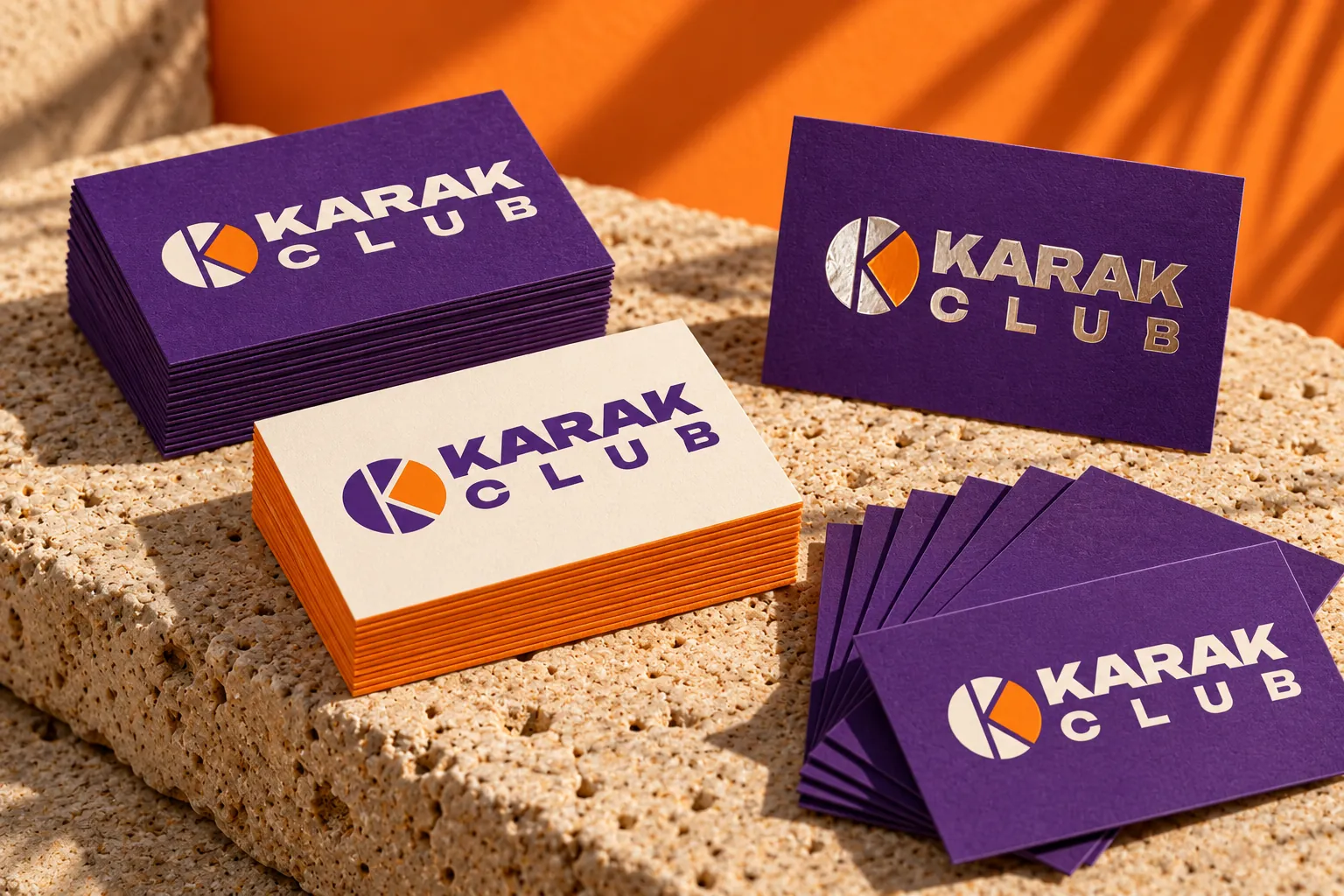
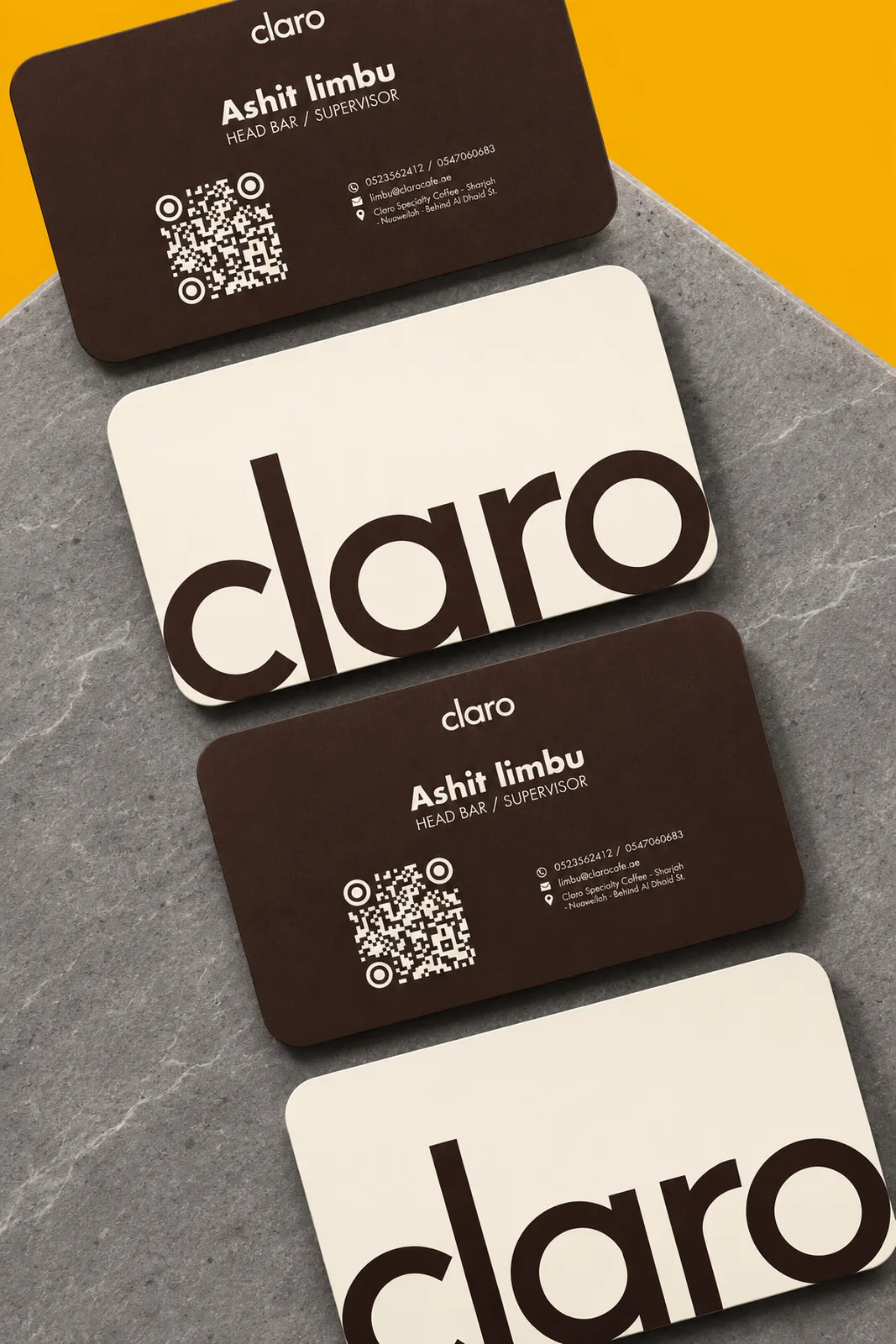
| Business cards | Digital | Offset | Offset shells plus digital names suit companies with many staff |
| Flyers and leaflets | Digital | Offset | Large campaigns are almost always offset |
| Brochures and catalogs | Digital for samples | Offset | Offset keeps color consistent across pages and reprints |
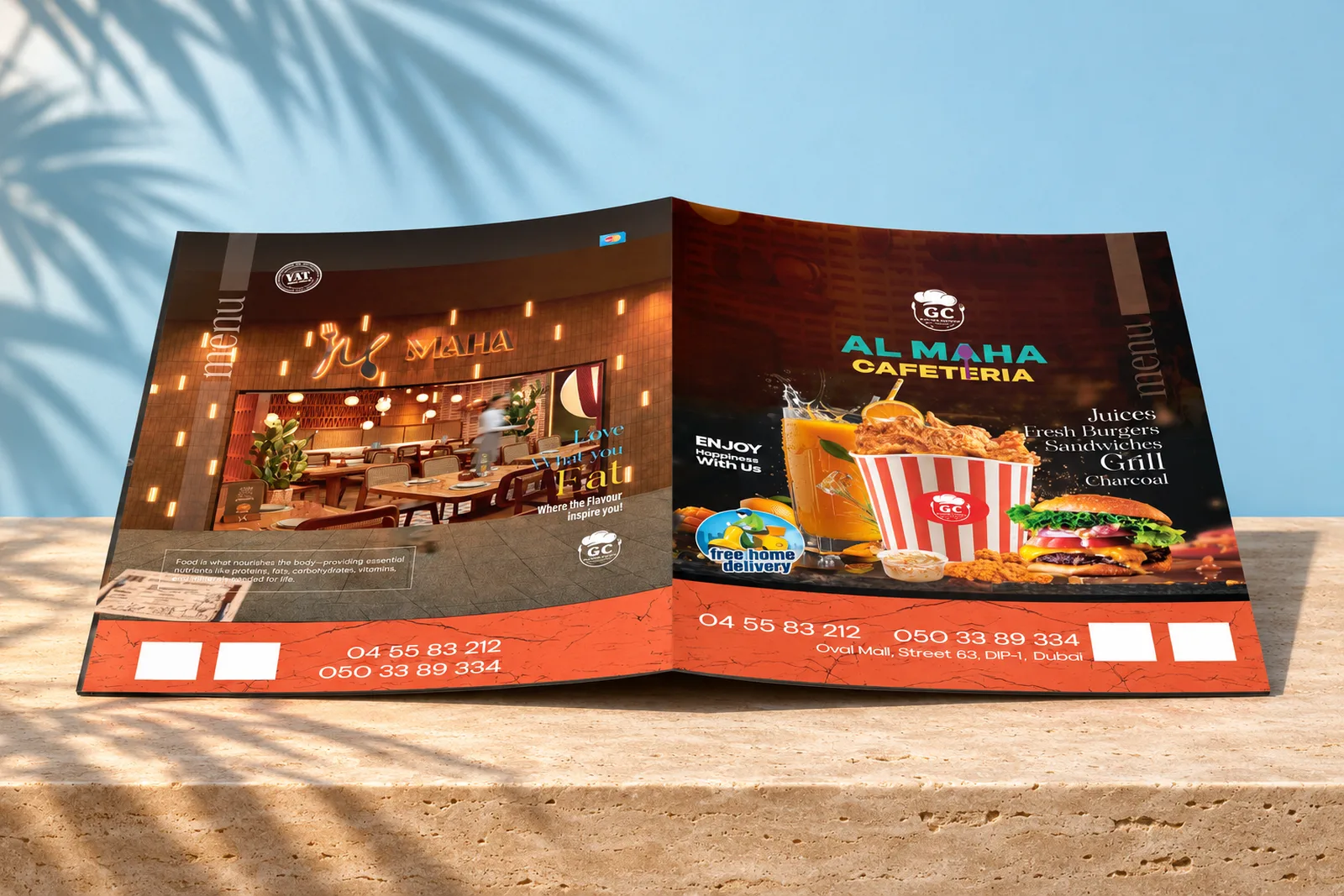
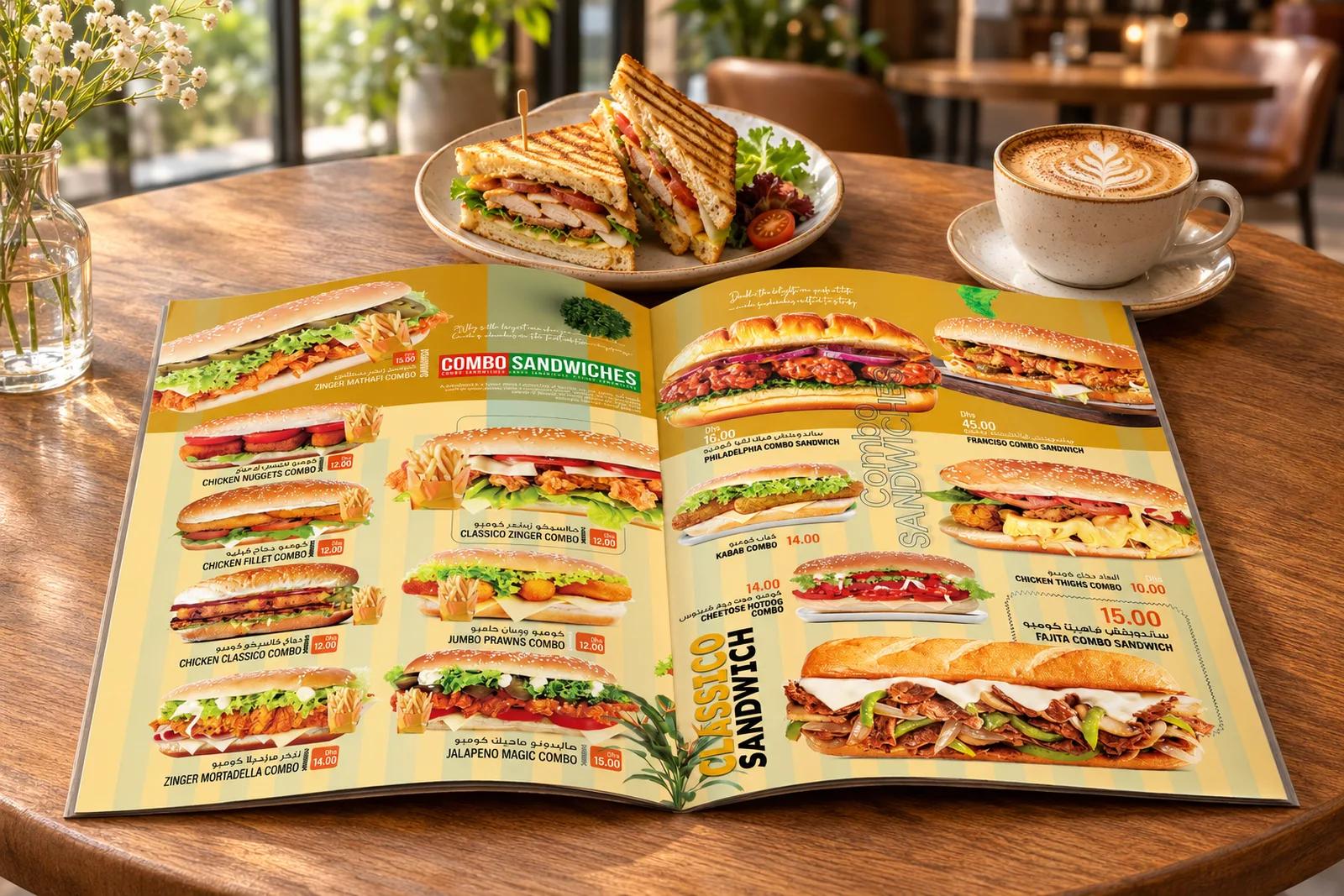
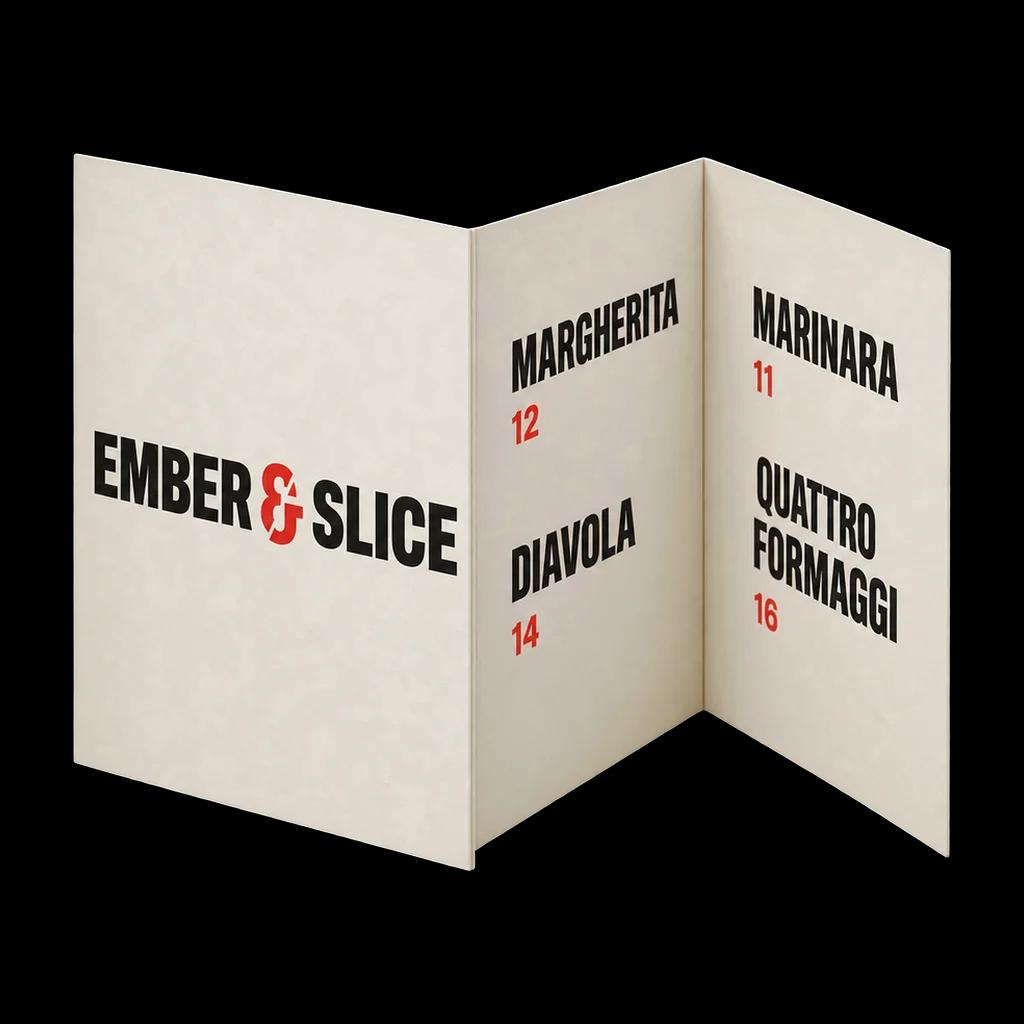
| Restaurant menus | Digital | Offset | Digital suits frequent price changes; offset suits laminated menus in volume |
| Numbered tickets and vouchers | Digital | Offset plus numbering | Variable numbers favour digital or an offset-plus-numbering hybrid |
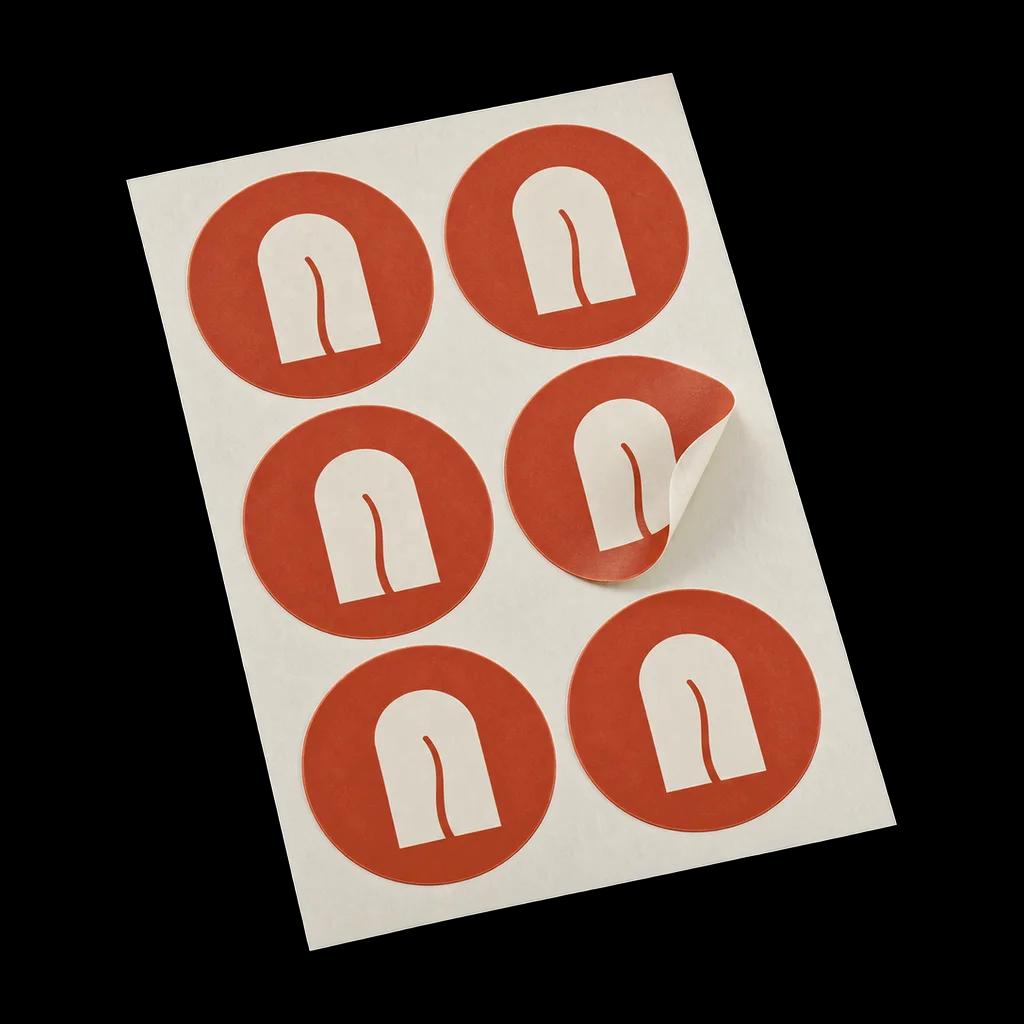
| Product labels and stickers | Digital | Offset | Choice also depends on sheet or roll format |
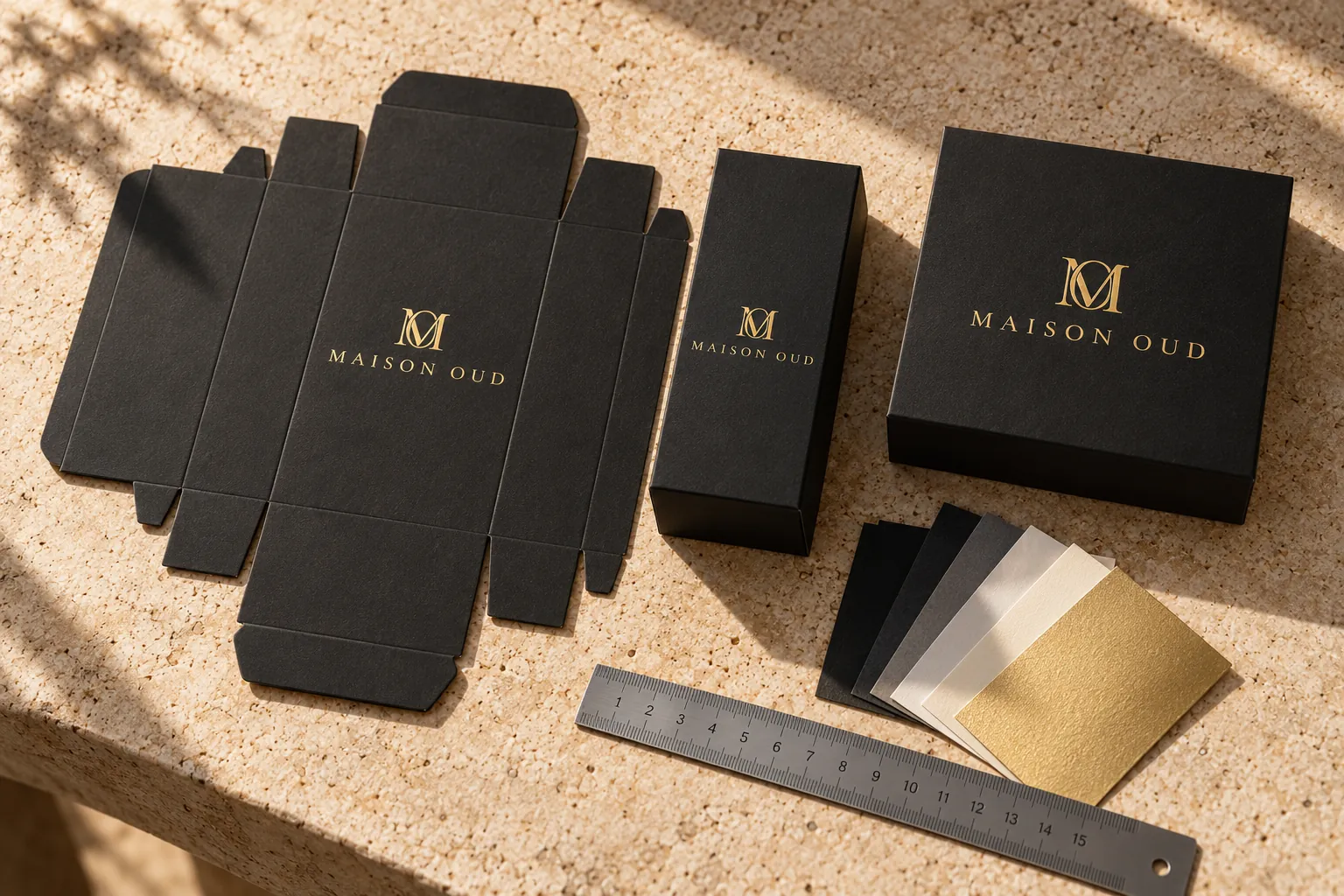
| Folding cartons and cake boxes | Digital prototype | Offset | Heavy board and die-cut layouts favour offset |
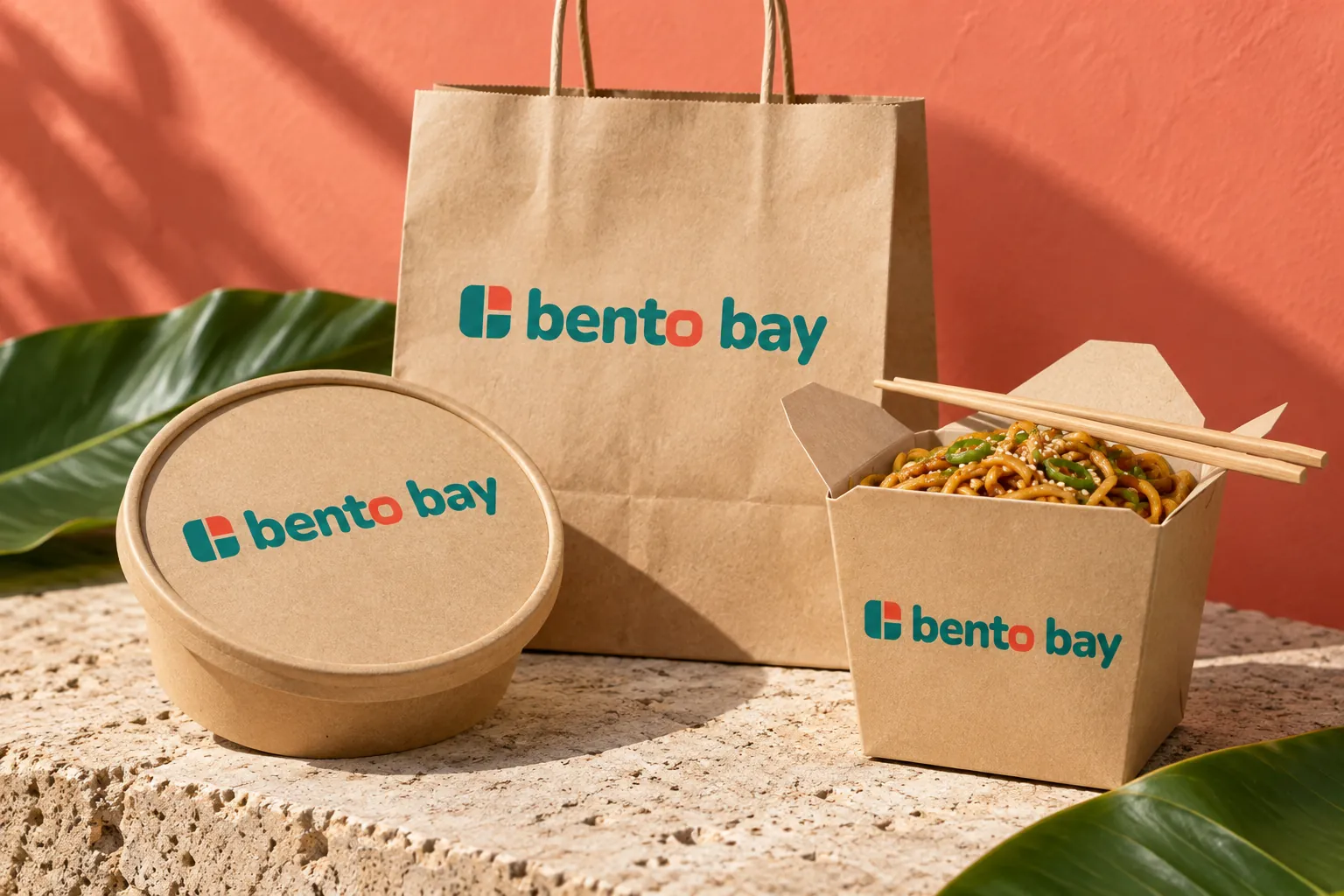
| Paper cups and bags | Rarely digital | Offset | Cup blanks and bag sheets need long, consistent runs |
The hybrid approach
Many jobs use both. A common pattern is a digital prototype followed by an offset production run, which catches design and fit problems before plates are made. Another is offset-printed shells with digital personalization: for example, a company prints its business card design in volume on offset, without names, then adds each employee's details digitally as needed. The result has offset color on the brand elements and digital flexibility on the variable parts.
Packaging can work the same way: an offset-printed carton for the core range, with a digitally printed sleeve or label for limited editions or seasonal messages.
Preparing artwork for either process
Color mode
Supply CMYK files, with Pantone references named for any spot colors.
Resolution
Images at 300 dpi at final printed size.
Bleed
Extend background color and images 3 mm past the trim line on every edge.
Safe zone
Keep text and logos at least 3 to 5 mm inside the trim.
Fonts
Embed or outline fonts, and check Arabic text renders correctly in the final PDF.
Rich black
For large black areas, ask your printer for their recommended rich black mix. Keep small text in 100% black only.
Dielines
For packaging, place artwork on the printer's dieline, with the cut and crease lines on a separate layer.
Proofs and what to expect
A PDF on your screen shows layout, not color; screens emit light in RGB, while print reflects light from ink on paper. For color-critical jobs, ask for a printed proof on the actual stock. For packaging, a digital prototype checks structure and graphics, while a press proof or a supervised start of the run confirms the final color. Approve proofs carefully. Changes after plates are made cost time and money.
Offset printing at GPP
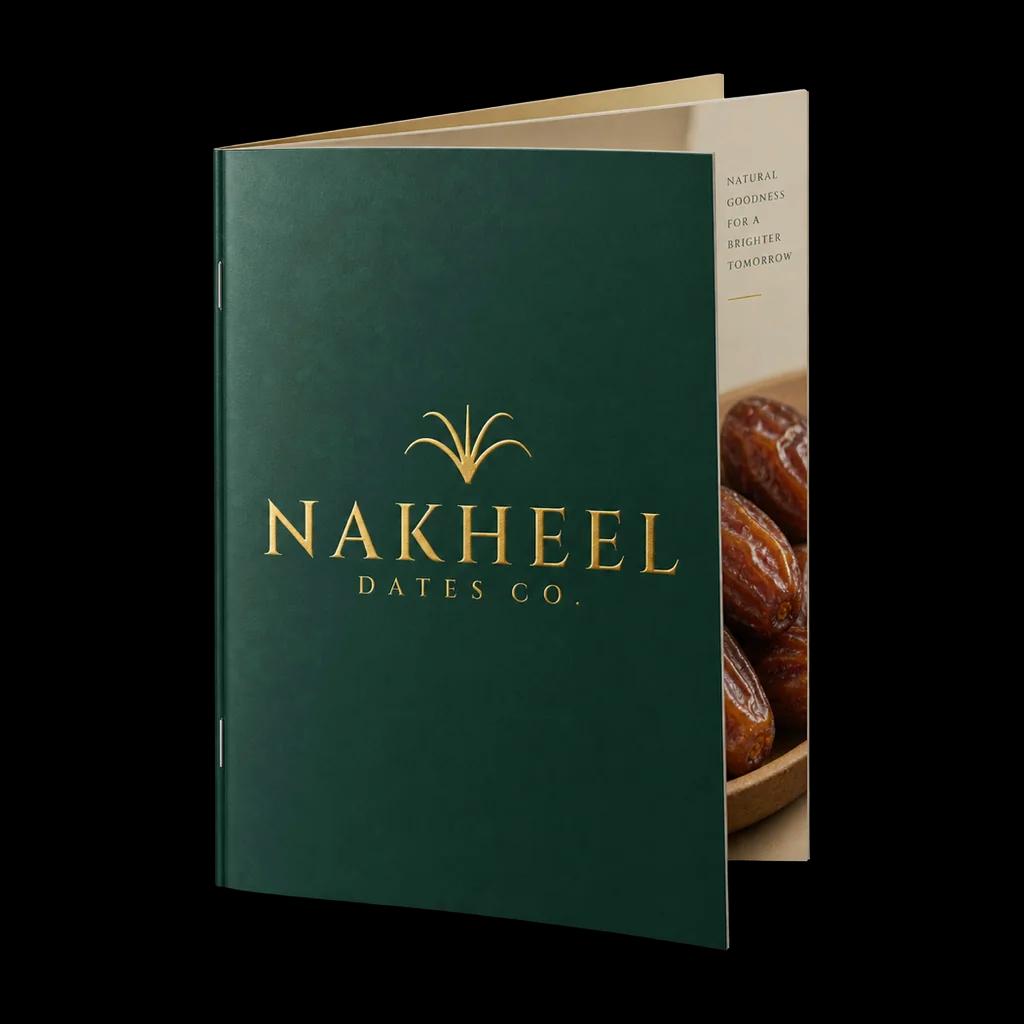
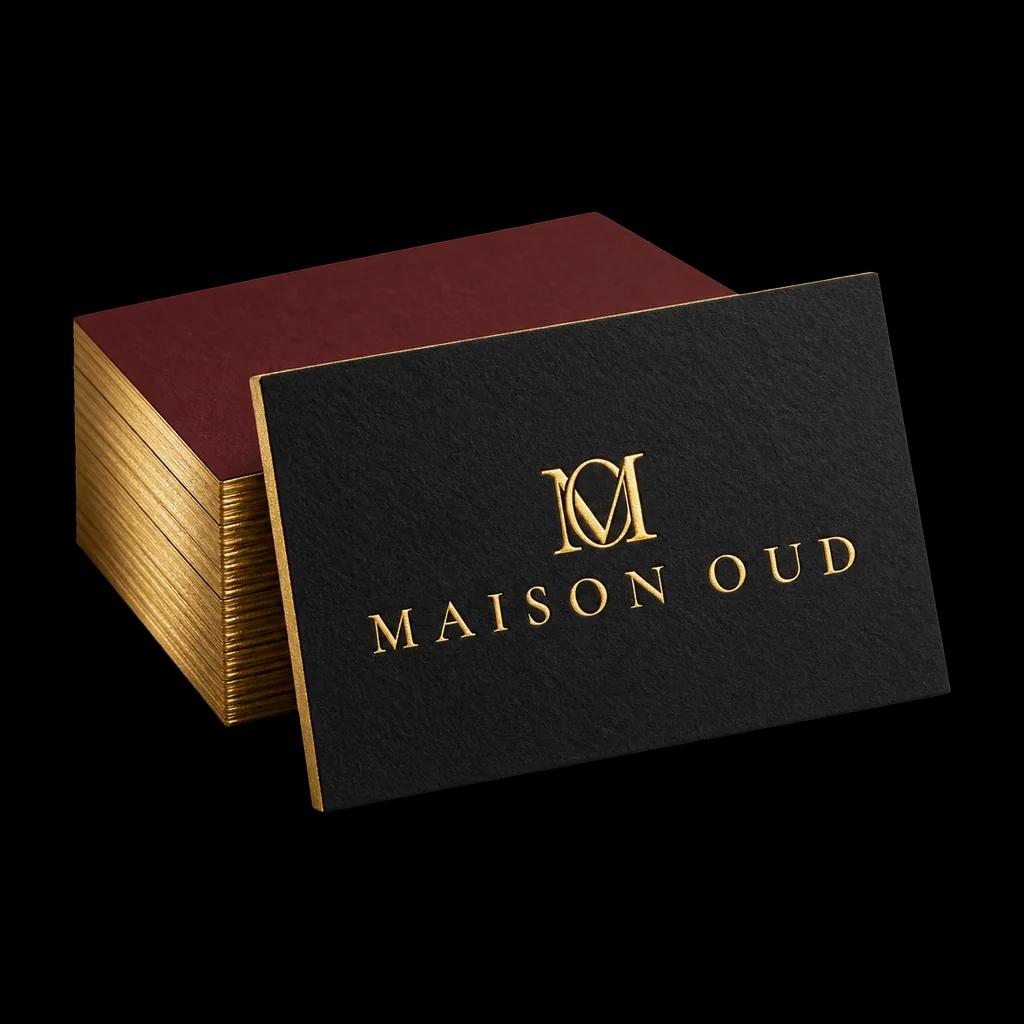
German Printing Press has printed in the UAE since 2009, from its factory in Ajman, on German-built Heidelberg offset presses with in-house lamination, foil, embossing, spot UV and die-cutting. We print packaging, brochures, catalogs, menus, business cards, labels, stationery and vouchers. Send us your job details, including quantity, size, stock and finishes, and we will tell you which process gives the best result and price, and why.
Products in this guide
GPP Production Team
Print & packaging specialists, Ajman
Written by the people who run our presses and finishing lines in Ajman, and checked against current UAE rules where regulation is involved. Published 7 Oct 2026; last reviewed 10 Oct 2026.