
The short answer
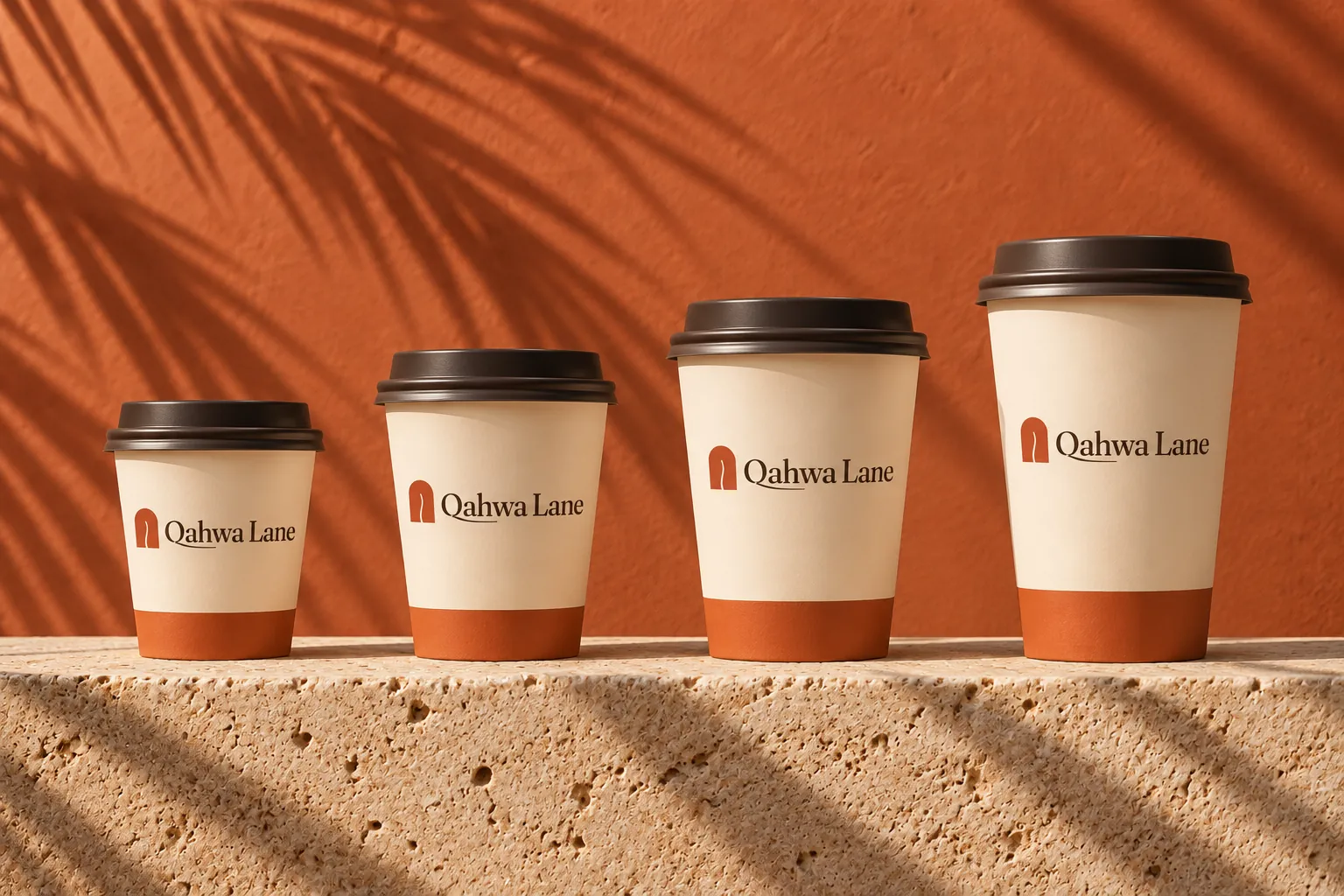
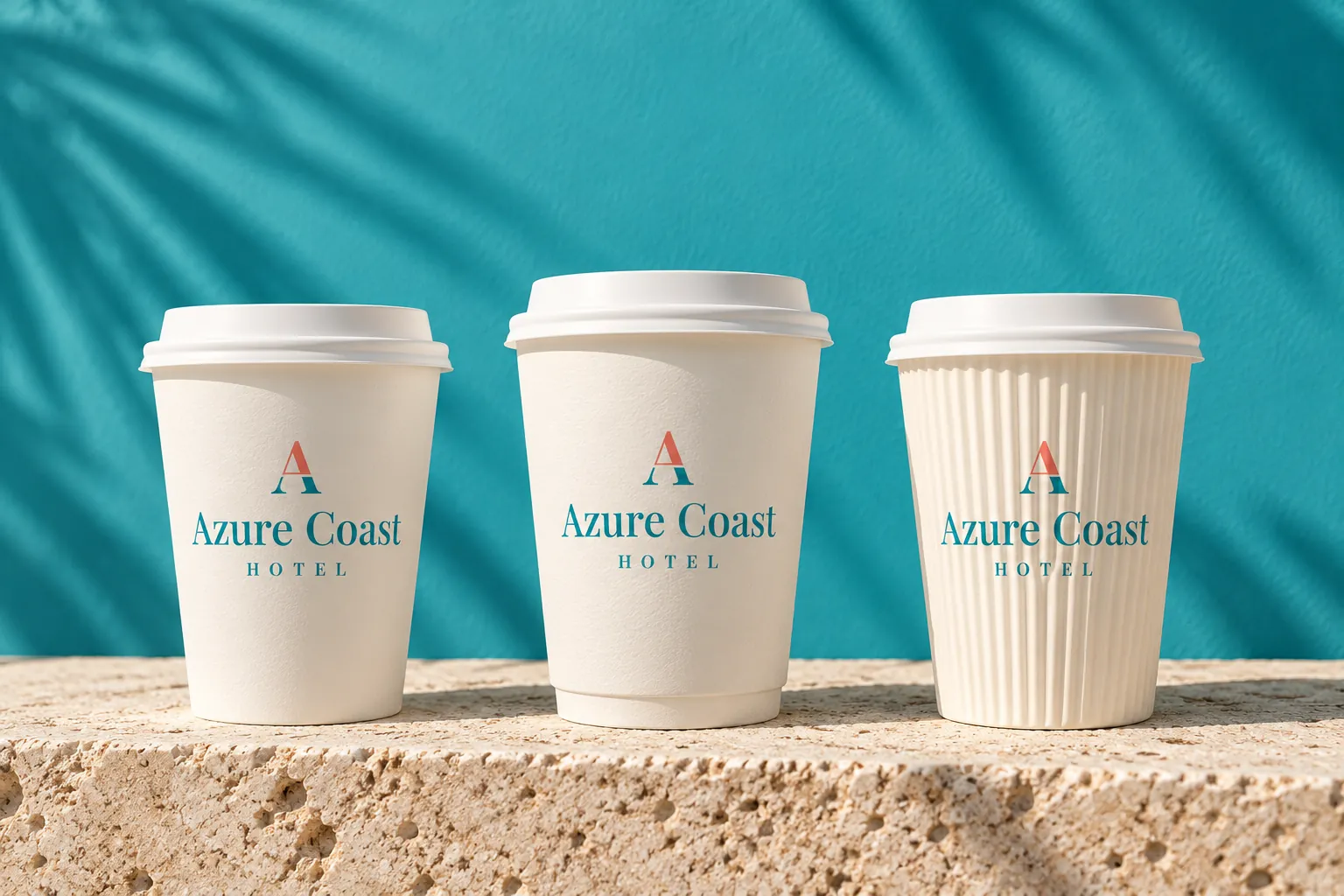
Single-wall cups are one layer of coated board: cheapest, thinnest, and best for warm drinks or cold drinks with a sleeve. Double-wall cups add a second, smooth outer wall with an air gap, so hot drinks stay comfortable to hold without a sleeve. Ripple-wall cups use a fluted outer wrap for the most grip and insulation.
Most cafés end up using two of the three. The choice comes down to how hot your drinks are, how long customers hold them, how much storage you have and how your brand looks on each surface. Here is how we explain the trade-offs to clients at our press.
Side-by-side comparison
Relative cost is a typical industry index for the same size and print, with a plain single-wall cup at 100. Real prices depend on size, board, print, quantity and supplier.
| Item | Single wall | Single wall + sleeve | Double wall | Ripple wall |
|---|---|---|---|---|
| Construction | One layer of PE-coated board | Single cup plus a separate board sleeve | Inner cup plus smooth outer wall with an air gap | Inner cup plus fluted or embossed outer wrap |
| Heat in the hand | Hot with drinks near boiling | Comfortable | Comfortable | Most comfortable |
| Feel | Thin, flexible | Bulky at the middle | Rigid, premium | Textured, very rigid |
| Print surface | Full, smooth | Cup and sleeve, two prints | Full, smooth outer wall | Textured, fine detail softens |
| Storage space per 1,000 | Lowest | Low, plus sleeves | Higher | Highest |
| Typical relative cost | 100 | 130 to 150 | 150 to 200 | 170 to 230 |
| Best for | Espresso, tea, cold drinks with cold-cup coating | Occasional hot drinks | Lattes, cappuccinos, branded takeaway | Large hot drinks, very hot tea, soup |
Single-wall cups
A single-wall cup is one sheet of food-grade paperboard, typically 190 to 300 gsm depending on size, coated on the inside with a thin barrier, usually polyethylene. The sheet is printed flat, die-cut into a fan shape, wrapped into a cone, sealed at the seam and fitted with a base. The rim is rolled into a curl that the lid grips.
It is the most economical cup and the best choice when the drink is small or quick: an espresso drunk at the counter, a karak handed through a car window, a 7oz cup of water at an event. With a drink close to boiling in a 12oz single-wall cup, though, most customers will want a sleeve or a second cup, and doubling up cups costs more than buying the right cup in the first place.
Single-wall cups also print well. The surface is smooth and continuous, so fine lines, small text and solid colors reproduce cleanly.
How double-wall cups work
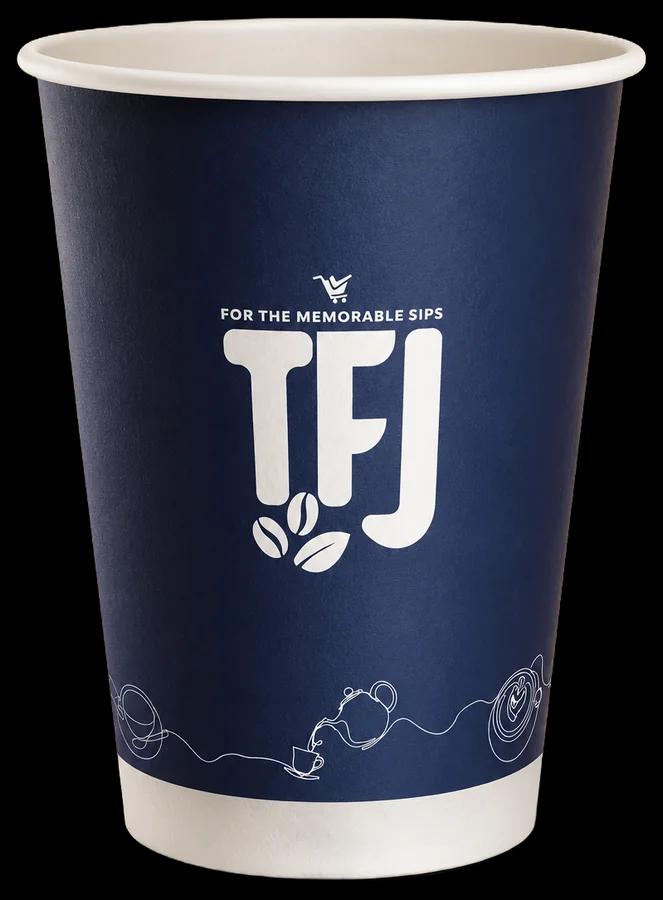
A double-wall cup is a single-wall inner cup with a second wall wrapped around it. The outer wall is glued at the top and bottom and stands slightly away from the inner cup, which leaves a thin layer of air between the two. Air conducts heat poorly, so the outside stays cool enough to hold even with a freshly pulled latte inside.
The outer wall does not touch the drink, so it does not need a barrier coating on the inside, but it is printed and often finished. Because it is a separate sheet, the outer wall can use a different board from the inner cup: kraft outside and white inside, for example, or a soft-touch finish for a premium feel.
Double wall is what most specialty cafés in the UAE choose for 8oz, 12oz and 16oz hot drinks. It removes the need for sleeves, it feels substantial, and it gives a flawless print surface. The trade-offs are cost and storage: double-wall cups nest less tightly, so a carton holds fewer cups or takes more room.
What is a ripple paper cup?
A ripple cup has an outer wrap of fluted or embossed board, a little like the corrugation in a shipping carton but finer. The ridges trap air and give your fingers less contact with the hot surface, so ripple cups are the most insulating of the three. They also give a firm, textured grip that customers notice.
The texture affects print. Solid colors and bold logos look good on a ripple wrap. Fine type, thin rules and photographic images lose sharpness across the ridges. If your brand relies on small detail, double wall is the better canvas. If you want a cup that feels different in the hand and your design is simple, ripple is a strong choice.
Ripple cups are the most expensive and bulkiest of the three, so they tend to be used for the sizes and drinks where heat matters most: 12oz and 16oz hot drinks, very hot tea, and soups.
Sleeves: when they still make sense
A sleeve on a single-wall cup is the cheapest way to make a hot cup comfortable, and a printed sleeve can carry a seasonal promotion without reprinting cups. The downsides are handling time at the bar, an extra item to stock, and a less finished look. Sleeves remain legal under the UAE single-use rules because they are paper.
We see sleeves used best by cafés that sell mostly cold drinks with occasional hot ones, or that want to run short campaigns on a plain or simply printed cup.
Which wall type for which situation
Espresso and small tea
Single wall. The drink is small and gone in minutes.
Flat white and cappuccino (8oz)
Double wall for takeaway, single wall if most are drunk in store.
Latte and large hot drinks (12 to 16oz)
Double wall as standard, ripple if you serve drinks very hot or want a textured feel.
Iced drinks
A cold cup, which is a single-wall cup coated on both sides. Double and ripple wall add nothing for cold drinks.
Soup and hot food
Ripple or double-wall food containers with a tight lid.
Events and high volume
Single wall in small sizes keeps cost and storage down.
Lids and wall type
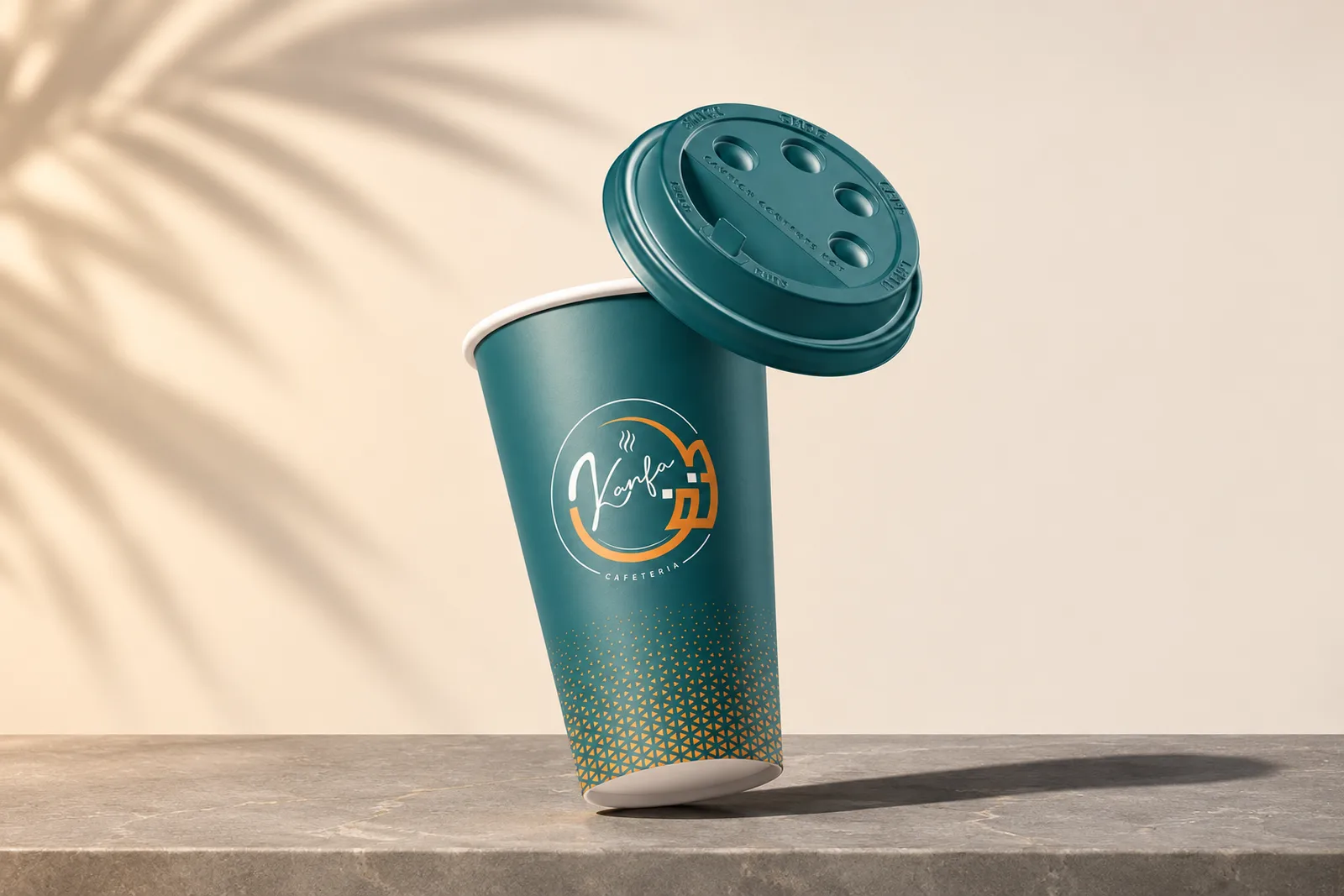
All three wall types use the same rim curl, so in principle the same lid fits. In practice the outer wall of double and ripple cups makes the cup wider just below the rim, and a lid with a deep skirt can catch on it. Since plastic lids were banned in the UAE in January 2026, many cafés have moved to molded fiber lids, which often have thicker skirts. Test lids on each wall type before ordering, as we explain in our paper cup size guide.
Printing each wall type at GPP
We print cup blanks on sheet-fed offset, which handles solid brand colors, gradients and fine detail on single and double wall. For double wall we can print the outer wall in a different stock or finish from the inner cup. For ripple we advise bold, simple artwork and will show you a sample of how your design reads across the flutes before you commit. Send us your drink list and volumes and we will suggest a wall type for each size, with samples to test.
Products in this guide
GPP Production Team
Print & packaging specialists, Ajman
Written by the people who run our presses and finishing lines in Ajman, and checked against current UAE rules where regulation is involved. Published 10 Sept 2026; last reviewed 10 Oct 2026.